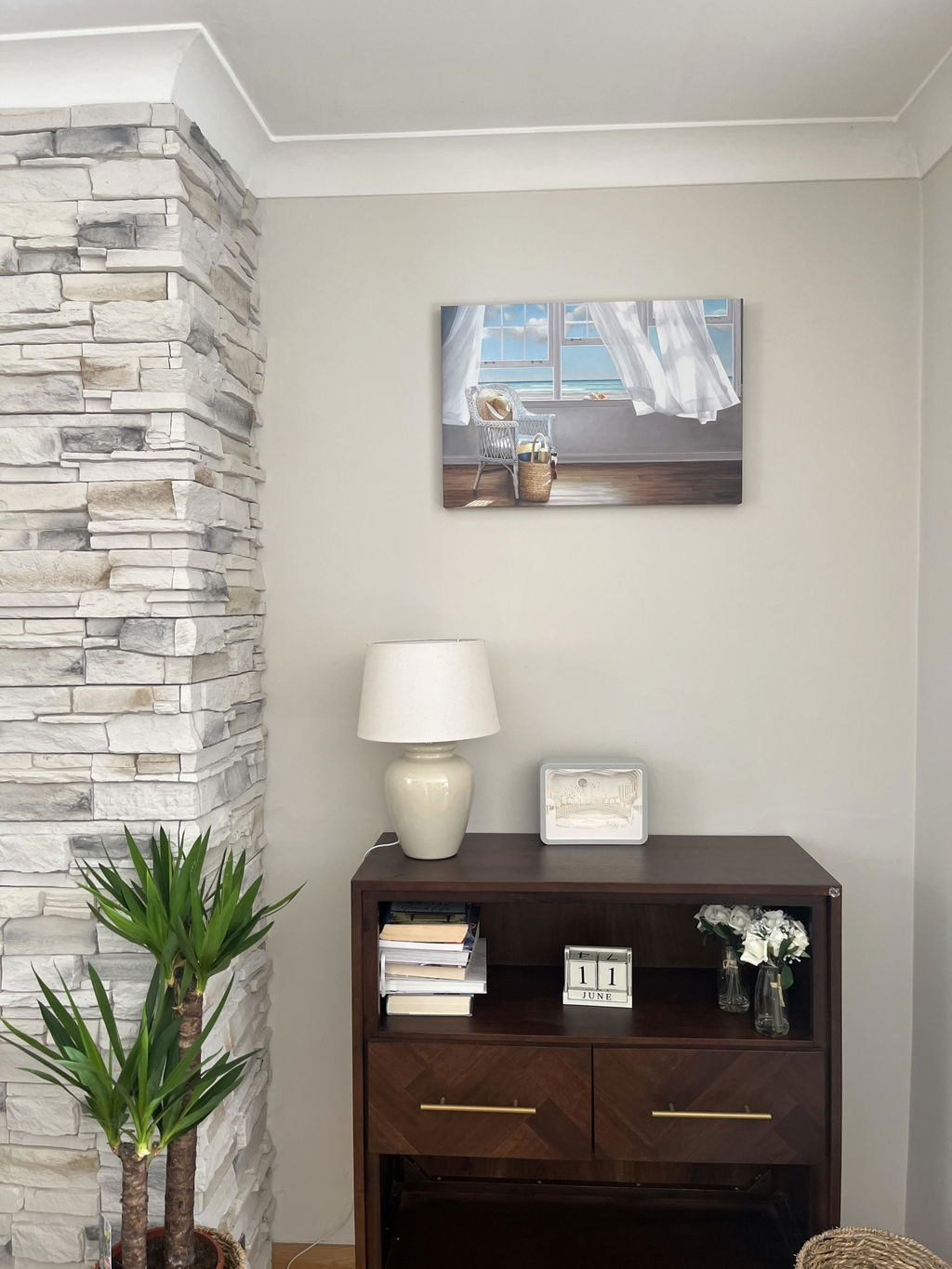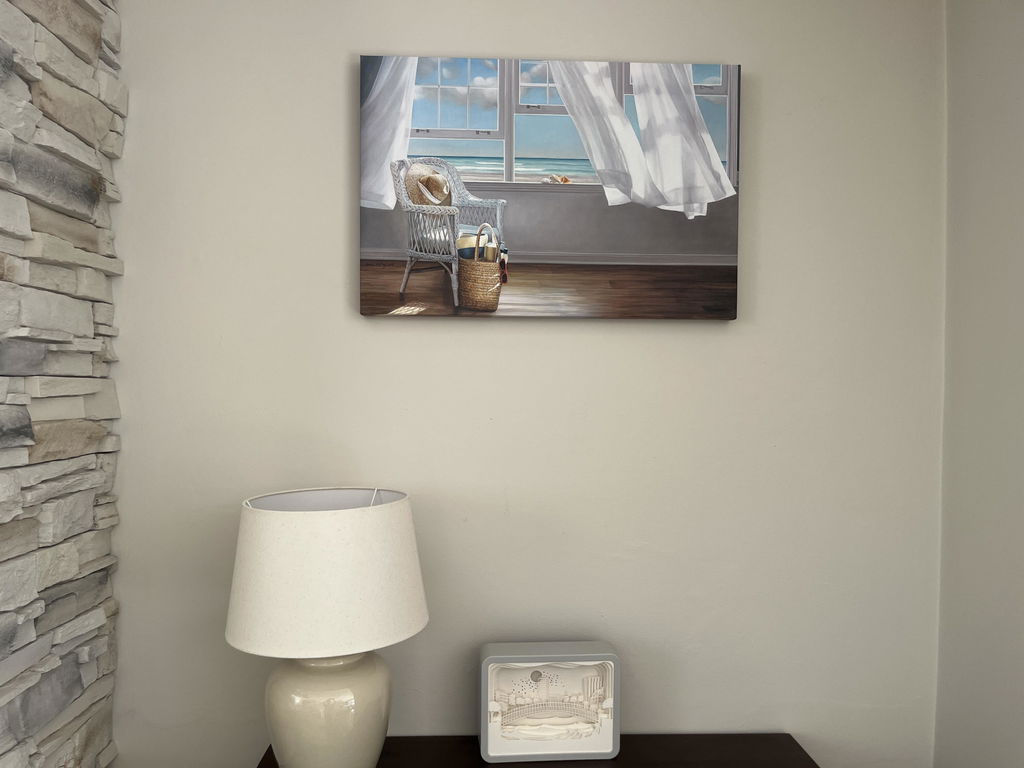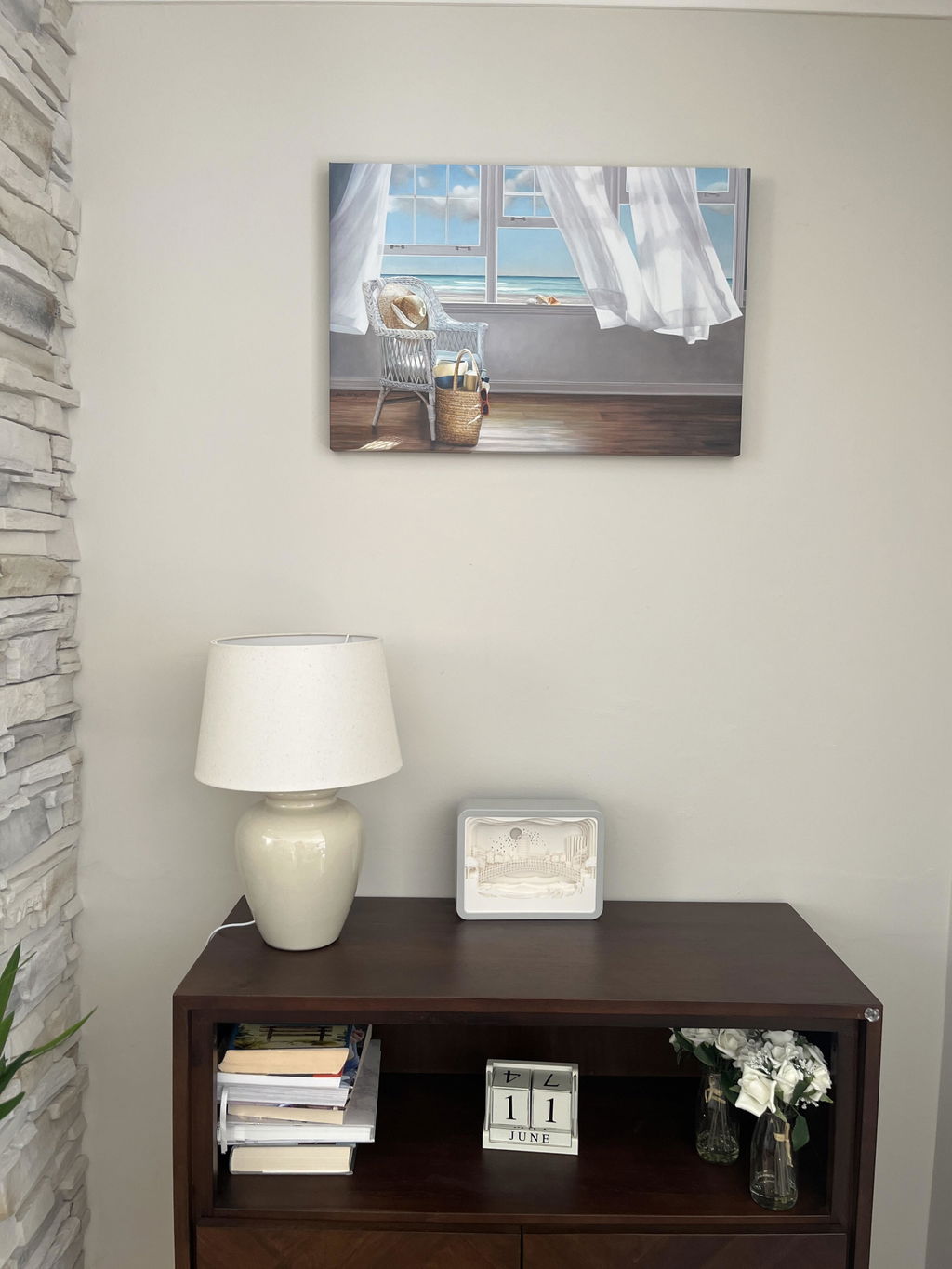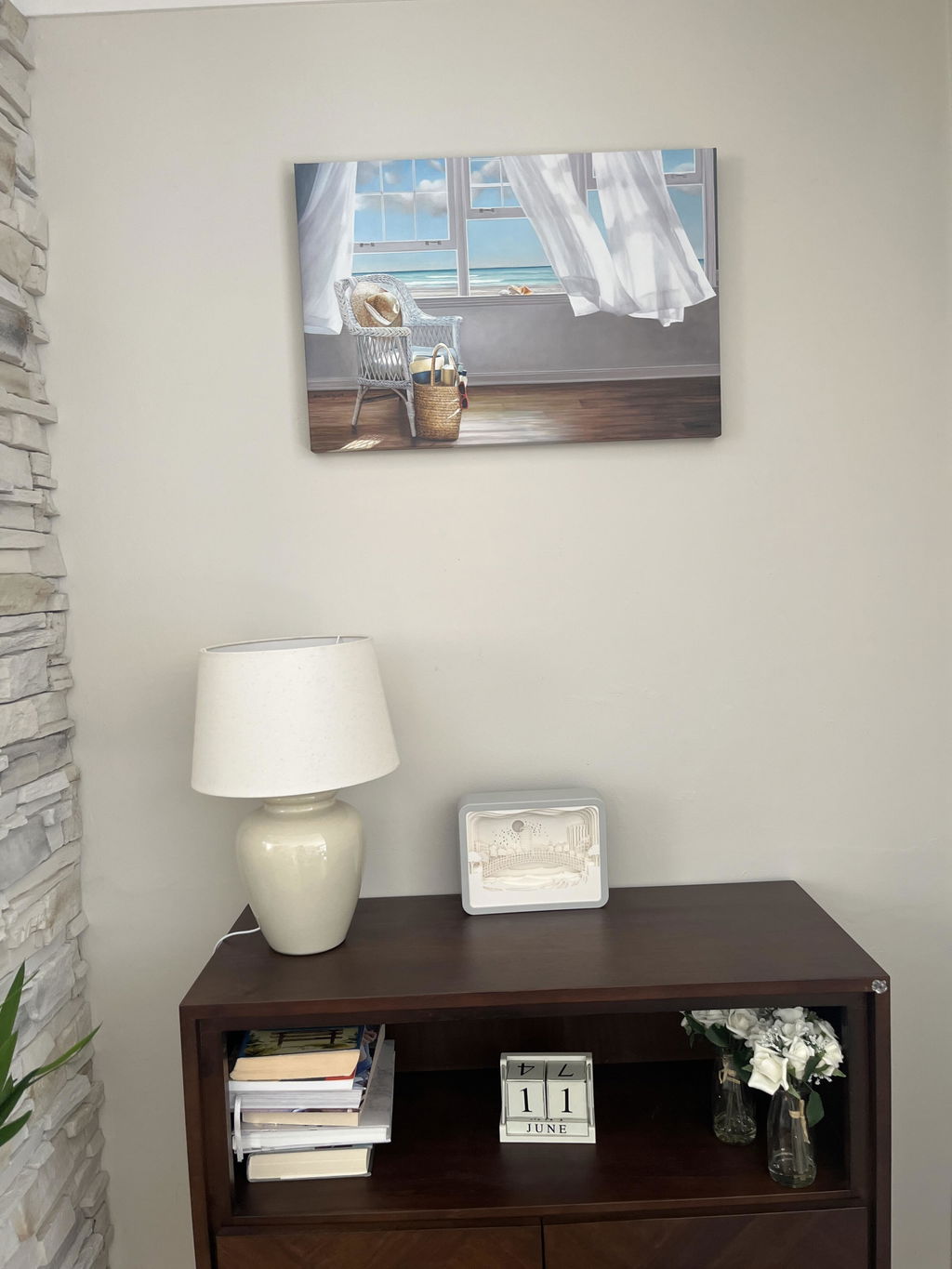

You've probably done some version of this already. You find a print you love, add it to cart, then pause. What size should you buy? Will it look unfinished without a frame? Can you tape it up for now and frame it later? And why do some unframed pieces look like collectible art while others feel like a dorm poster?
Those questions matter because unframed art prints sit in a sweet spot between flexibility and quality. They can be affordable, easy to ship, simple to swap out with the seasons, and still refined enough for a living room, office, or client project. The trick is knowing what you're buying and how to display it well.
A lot of advice stops at “pick a print you like.” That's not enough. Buyers often run into two avoidable problems: they order a size that's awkward to frame later, or they skip matting and accidentally shorten the life of the artwork. Both are easy to fix once you know what to look for.
Table of Contents
- The Rise of Unframed Art Prints in Modern Decor
- What Exactly Is an Unframed Art Print
- Choosing Your Canvas Paper and Finish Explained
- Unframed vs Framed Prints Weighing the Pros and Cons
- Sizing and Creative Display Methods
- Care and Longevity How to Protect Your Investment
- Styling for Every Space From Homes to Offices
The Rise of Unframed Art Prints in Modern Decor
Blank walls used to create a false choice. You either bought framed art at a higher price, or you settled for something temporary that didn't feel grown-up. Unframed art prints changed that equation. They let you start with the artwork itself and decide later how formal, polished, or experimental you want the final display to be.
That flexibility matches how people decorate now. Renters want pieces they can move easily. Homeowners want art they can rotate without committing to one frame forever. Designers want options that can adapt to different rooms, budgets, and timelines. Unframed prints answer all three needs.
This isn't a tiny niche. The global art prints market reached USD 5.6 billion in 2024 and is projected to reach USD 9.6 billion by 2033, with unframed prints helping drive that growth because they're affordable, work well for e-commerce, and cost less to ship, according to Dataintelo's art prints market report.
Why buyers keep choosing them
Unframed prints make sense for practical reasons first.
- They travel better: Without glazing, backing, and frame corners, there's less bulk and less complexity in transit.
- They're easier to customize: You can choose a black frame, a pale oak frame, a wide mat, or no frame at all.
- They support change: If your room changes, the art can stay while the presentation evolves.
Then there's the visual side. A raw print has a certain freshness to it. It feels closer to the paper, the ink, and the artist's original image. In minimalist rooms, that directness can look especially good.
Unframed doesn't mean unfinished. It often means undecided in the best possible way.
A good unframed print is not a compromise purchase. It's a flexible starting point. That's why so many people use them for gallery walls, seasonal refreshes, shelves, desks, and rooms that are still coming together.
What Exactly Is an Unframed Art Print
At the most basic level, an unframed art print is artwork sold without a surrounding frame. But that definition doesn't capture the complete picture. The important difference isn't only what's absent. It's what's present: the image quality, the paper, and the intention behind the print.
A high-quality unframed print is closer to a prepared ingredient than a finished plated dish. The art is ready. The final presentation is left open so you can shape it to your space.
Not all paper prints are the same
People often use “poster” and “art print” as if they mean the same thing. They don't always. A mass-market poster is usually about quick decoration. An art print is usually about image fidelity, better materials, and a result that's meant to live in your space longer.
That difference shows up in a few ways:
- Paper quality: Better prints feel denser, smoother, or more textured in the hand.
- Color depth: Fine art reproduction aims for nuance, not just brightness.
- Display potential: A strong unframed print can be clipped, matted, float-mounted, or traditionally framed.
If you've looked at expressive, color-led pieces such as abstract wall art prints, you've probably seen how much the paper and print method affect the mood. The same artwork can feel soft and painterly on textured stock or crisp and graphic on a smoother finish.
The print is the art object
That's the mindset shift that helps most buyers. You're not buying “frame later” filler. You're buying the artwork itself in a form that gives you room to decide how it should live in the room.
Sometimes that means a clean frame with a generous mat. Sometimes it means a magnetic hanger in a hallway. Sometimes it means the print leans on a shelf for a month while you test placement.
The most useful way to think about an unframed print is this: the artwork is complete, but the presentation is customizable.
Once you see unframed prints that way, the rest gets easier. You stop asking whether they're “enough,” and start asking what kind of paper, finish, and size will best support the image you love.
Choosing Your Canvas Paper and Finish Explained
The fastest way to understand print quality is to stop looking only at the image and start paying attention to the substrate. Paper changes everything. It affects how colors read, how glare behaves, how substantial the print feels in your hands, and how well it ages over time.

What museum quality actually means
The term gets used loosely, so it helps to anchor it in specifics. Museum-grade unframed prints use acid-free paper in the 200 to 350 GSM range and a 12-color Giclée process that reproduces up to 98% of the Pantone color gamut, with fade resistance for 75 to 100+ years, according to Art Academi's guide to museum-grade Giclée printing.
Here's what that means in plain language:
- Acid-free paper: Helps prevent yellowing and brittleness over time.
- 200 to 350 GSM: Gives the sheet a substantial feel and helps it lie flatter.
- 12-color Giclée printing: Expands color subtlety, especially in shadows, skin tones, botanicals, and painterly gradients.
If you've ever wondered why one print looks muddy and another looks luminous, printing method is often the reason.
Finish changes the mood
Finish is less about right or wrong and more about the effect you want.
A satin photo paper tends to look sleek and vivid. It can suit photography, graphic work, and images with contrast or bright color. A textured matte paper usually feels softer and more gallery-like. It can be especially flattering for outdoor scenes, abstracts, and artwork that benefits from a low-glare surface.
For smaller pieces, these choices become surprisingly noticeable. A compact print can still feel distinguished when the stock is thick and the finish matches the artwork. That's part of why curated collections of small art prints often look more elegant than their size suggests.
Practical rule: If the room gets strong daylight or overhead reflection, matte is usually easier to live with.
Resolution terms buyers often confuse
Many shoppers also mix up print resolution terms when reviewing files or product details. If you want a simple explanation before ordering custom or reproduction-based work, this guide on DPI vs PPI explained is useful. It clears up what affects screen viewing versus printed output.
A short checklist can help when you're comparing options:
| Paper detail | What to look for | Why it matters |
|---|---|---|
| Archival quality | Acid-free paper | Better long-term stability |
| Weight | 200 to 350 GSM | Feels premium and handles better |
| Print process | 12-color Giclée | More accurate, nuanced color |
| Finish | Matte or satin | Changes glare and visual character |
The best paper choice is the one that supports the artwork, the room, and the way you plan to display it.
Unframed vs Framed Prints Weighing the Pros and Cons
Some buyers want a finished, ready-to-hang piece. Others want control. That's the core distinction between framed and unframed prints. Neither option is universally better. The better choice depends on your budget, your timeline, and how much say you want in the final look.

Where unframed prints win
Unframed prints are often the more agile choice. They're easier to store flat, lighter to move, and simpler to restyle. If you like to test art in a room before fully committing, they give you that freedom.
They also let you decide how formal the piece should feel. A thin black frame creates one effect. A wide white mat and light oak frame create another. A casual clip display creates something else entirely.
If you're still learning the basics of sizing before you commit to a frame, this guide to understanding picture frame sizes is helpful for visualizing common formats and how they relate to wall placement.
Where framed prints win
Framed prints are convenient. They arrive with a presentation already chosen, and they offer immediate structure and protection. If you need art for a finished room quickly, that can be appealing.
They also suit spaces where you want a more complete, polished look on day one. Formal dining rooms, staged homes, reception areas, and gift-giving often lean this way.
For buyers who like the visual separation and depth a frame can create around the artwork, related display ideas such as floating frame prints can show how framing choices change the tone of a piece.
Unframed vs. Framed Art Prints at a Glance
| Factor | Unframed Prints | Framed Prints |
|---|---|---|
| Cost | Usually lower entry cost | Usually higher overall cost |
| Shipping | Lighter and simpler to transport | Bulkier and more fragile in transit |
| Flexibility | Easy to reframe or display in new ways | Presentation is largely set |
| Protection | Needs careful handling and added protection | Better protected from the start |
| Visual effect | Relaxed, adaptable, contemporary | Finished, structured, formal |
Framed art solves the presentation for you. Unframed art lets you solve it for yourself.
If you enjoy making aesthetic decisions, unframed often feels more satisfying. If you want the shortest path from box to wall, framed may feel easier.
Sizing and Creative Display Methods
Most frustration with unframed art prints doesn't come from the artwork. It comes from what happens after delivery. You hold the print up, love the image, then realize the size doesn't match any ready-made frame you can easily buy.
That issue is common enough to affect returns. According to an Etsy Seller Survey, 31% of unframed print returns stem from size-framing incompatibility, which means buyers often struggle to match non-standard prints with readily available frames, as noted in this Etsy seller survey reference.

Buy the size with the next step in mind
Before you order, decide what kind of display you want later. That one decision clears up a lot.
If you plan to use an off-the-shelf frame, standard sizes are usually the safest route. If you already know you'll custom frame, you have more freedom. If you want a casual, unframed display, dimensions still matter because oversized paper can overpower a narrow shelf or small hallway.
A simple buying approach:
- Measure the wall first: Not just the empty space, but the furniture under it.
- Choose the display method: Frame, hanger, clip, shelf lean, or tape-up.
- Check frame availability before ordering: Especially for less common aspect ratios.
- Leave breathing room: Art almost always looks better with margin around it.
For grouped arrangements, planning matters even more. If you're building a multi-piece display, looking at examples of gallery wall art sets can help you think in terms of overall composition instead of one print at a time.
Display methods that celebrate the unframed look
The beauty of unframed prints is that you don't always have to rush into traditional framing.
- Magnetic poster hangers: Clean, modern, and easy to swap.
- Bulldog clips or binder clips: Great for studios, home offices, and casual corners.
- Shelf leaning: Ideal for mantels, picture ledges, and layered vignettes.
- Washi tape or removable mounting corners: Best for low-commitment styling in informal spaces.
- Portfolio rails or ledges: Useful if you like rotating art often.
Each method changes the tone. A clipped print feels creative and open-ended. A leaned print feels relaxed. A magnetic hanger feels tidy and Scandinavian-inspired.
Here's a visual walkthrough of hanging options and layout choices:
A good rule is to match the display style to the room's level of formality. Bedrooms, studios, and family spaces can handle more casual mounting. Entryways, meeting rooms, and dining areas often benefit from a cleaner presentation.
Care and Longevity How to Protect Your Investment
Paper art is durable enough for daily life, but it does ask for a little respect. Most damage happens during ordinary moments. A thumb presses too firmly near the image. A print touches damp glass. A sunny wall slowly fades a favorite piece.
Good care doesn't need to be complicated. It just needs to be intentional.
Handle paper like a finished surface
A print isn't raw material once it arrives. It's the finished art object.
Keep these habits simple and consistent:
- Use clean, dry hands: Oils and lotion can mark the paper.
- Hold the edges: Avoid pressing on the printed face.
- Store flat or properly rolled: Don't let prints slump in humid corners.
- Keep them away from steam and direct sun: Bathrooms and bright window walls are risky spots.
These small decisions matter because they prevent the kind of wear that's hard to reverse later.
Why matting matters more than most buyers realize
This is one of the most overlooked parts of DIY framing. People buy a frame, slide the art in, close the backing, and assume the job is done. But when paper rests directly against glass, moisture can get trapped. Over time, that can lead to sticking, waviness, or other damage.
That's why matting is more than a decorative border. It creates space between the print and the glazing. A 2025 survey from the American Institute of Interior Designers found that 78% of designers recommend matting for paper art longevity to prevent direct wall contact and moisture damage, as cited in this discussion of art print buying and care.
If you frame only one way, frame with an air gap between the print and the glass.
You can create that gap with a traditional mat or with spacers. Either approach is better than letting the paper sit flush against the glazing. If you're framing at home, also make sure the backing is clean and the print sits square before sealing the frame.
A well-chosen mat does two jobs at once. It protects the print physically, and it gives the image room to breathe visually. That's why matted prints often look calmer, more deliberate, and more expensive than the same art pressed edge-to-edge inside a frame.
Styling for Every Space From Homes to Offices
Unframed art prints work because they're adaptable. The same print can look soft and personal in a bedroom, crisp and composed in an office, or playful in a kitchen nook. The styling changes with the setting.

For a home that feels personal
A renter might start with two unframed botanical prints on a picture ledge, leaning them behind a ceramic vase and a stack of books. That looks collected, not overly fixed. Later, one print might move into the bedroom in a simple oak frame while the other stays on the shelf.
A homeowner might use unframed prints to test a color story before committing to a full gallery wall. Maybe the living room needs warmer rusts, sand tones, or deep greens. Prints make that kind of experimentation easier because changing the presentation doesn't mean replacing the art.
This works especially well when the room needs cohesion more than drama. Repeating related tones across a few prints often feels calmer than forcing one oversized statement piece.
For client work and commercial spaces
An interior designer usually thinks about art in systems, not singles. A print has to suit the palette, the scale, the lead time, and the budget. Unframed pieces make that easier because the designer can standardize the framing later while keeping the artwork varied.
An office manager has a different goal. They may want reception art that feels polished, meeting rooms that don't look sterile, and private offices that feel less generic. Unframed prints help because they can be selected in sets, coordinated by color, then framed in a consistent style across the building.
For workplaces in particular, art does more than fill space. It helps shape mood, identity, and first impressions. If you're planning art for a professional setting, these office wall art ideas can help you think through placement and style room by room.
Good styling rarely starts with “What frame should I buy?” It starts with “What should this room feel like?”
That question works for almost everyone. A nursery may need softness. A hallway may need rhythm. A café may need personality. A studio may need energy without clutter. Unframed prints adapt because they let you fine-tune both the image and its final presentation.
If you're ready to explore museum-quality options, Printano offers a wide selection of wall art from a global artist community, with unframed prints, multiple sizes and orientations, and framing choices when you want them later. It's a practical place to compare styles, narrow by color, and find artwork that fits both your room and your display plans.