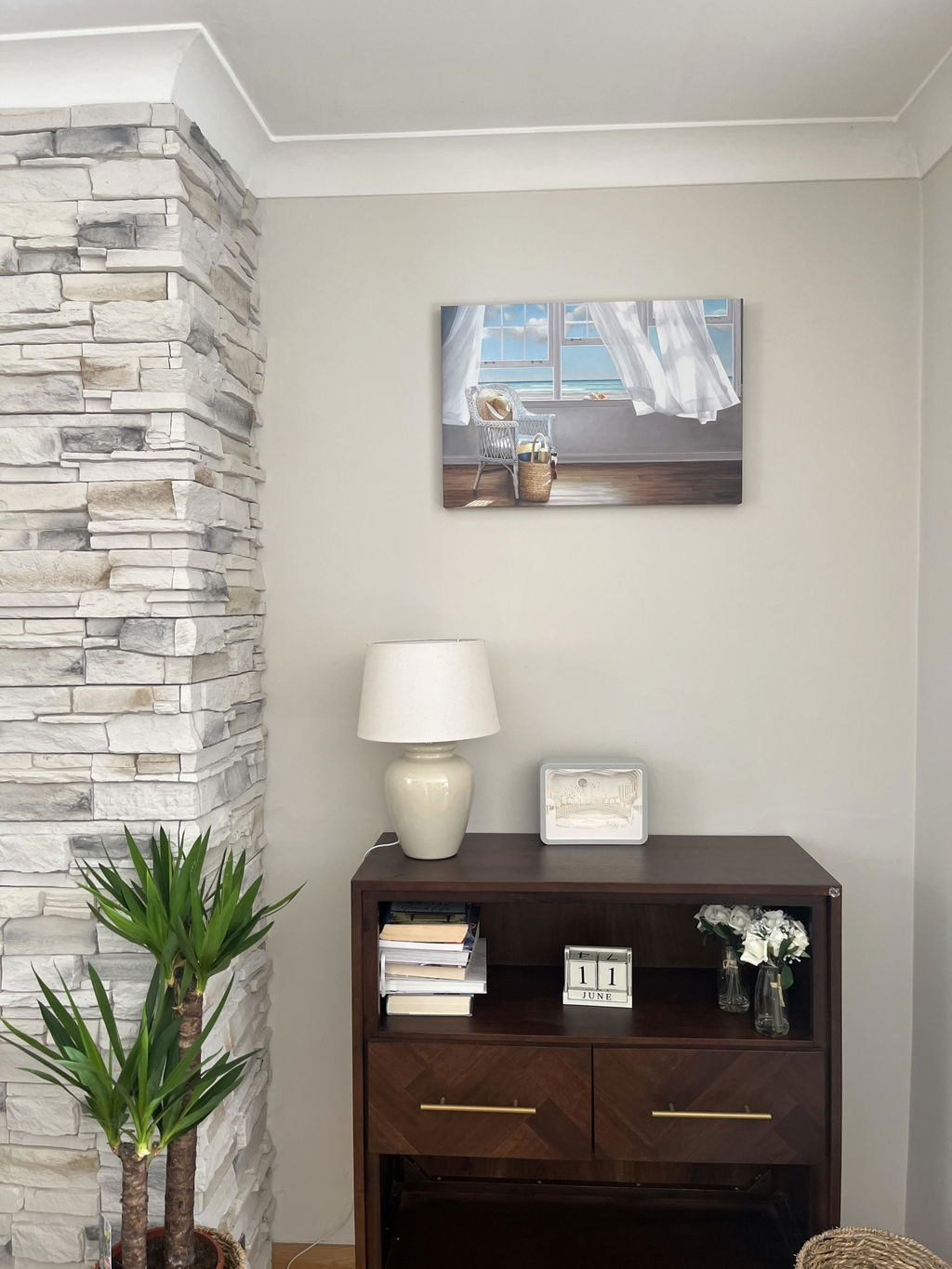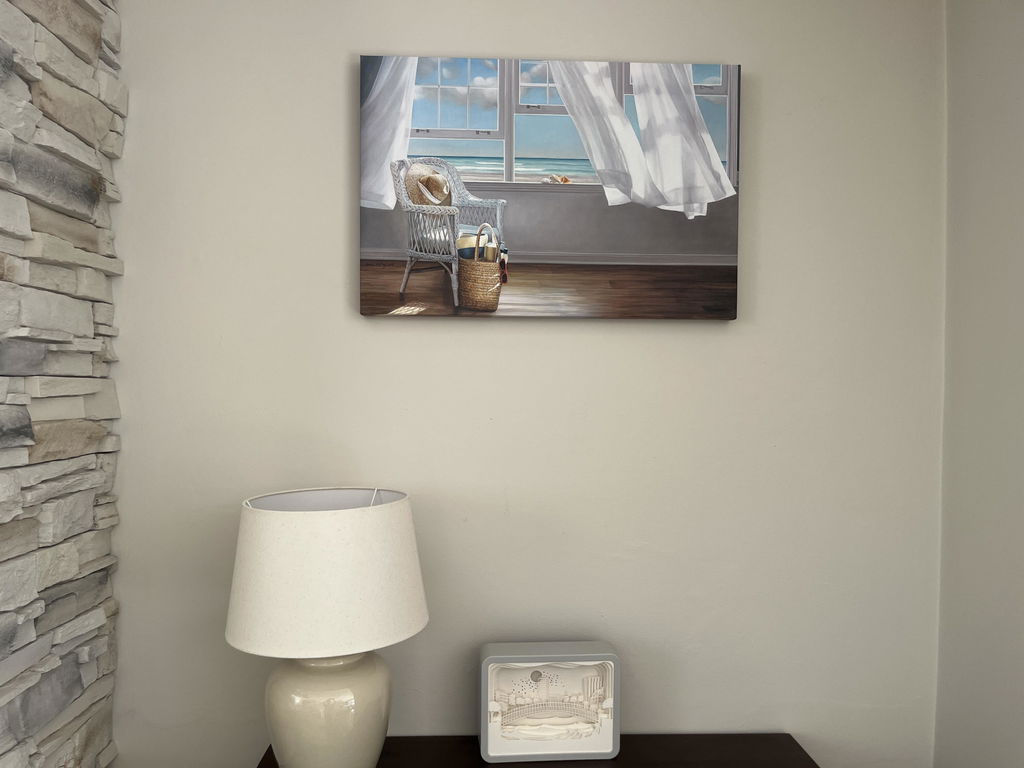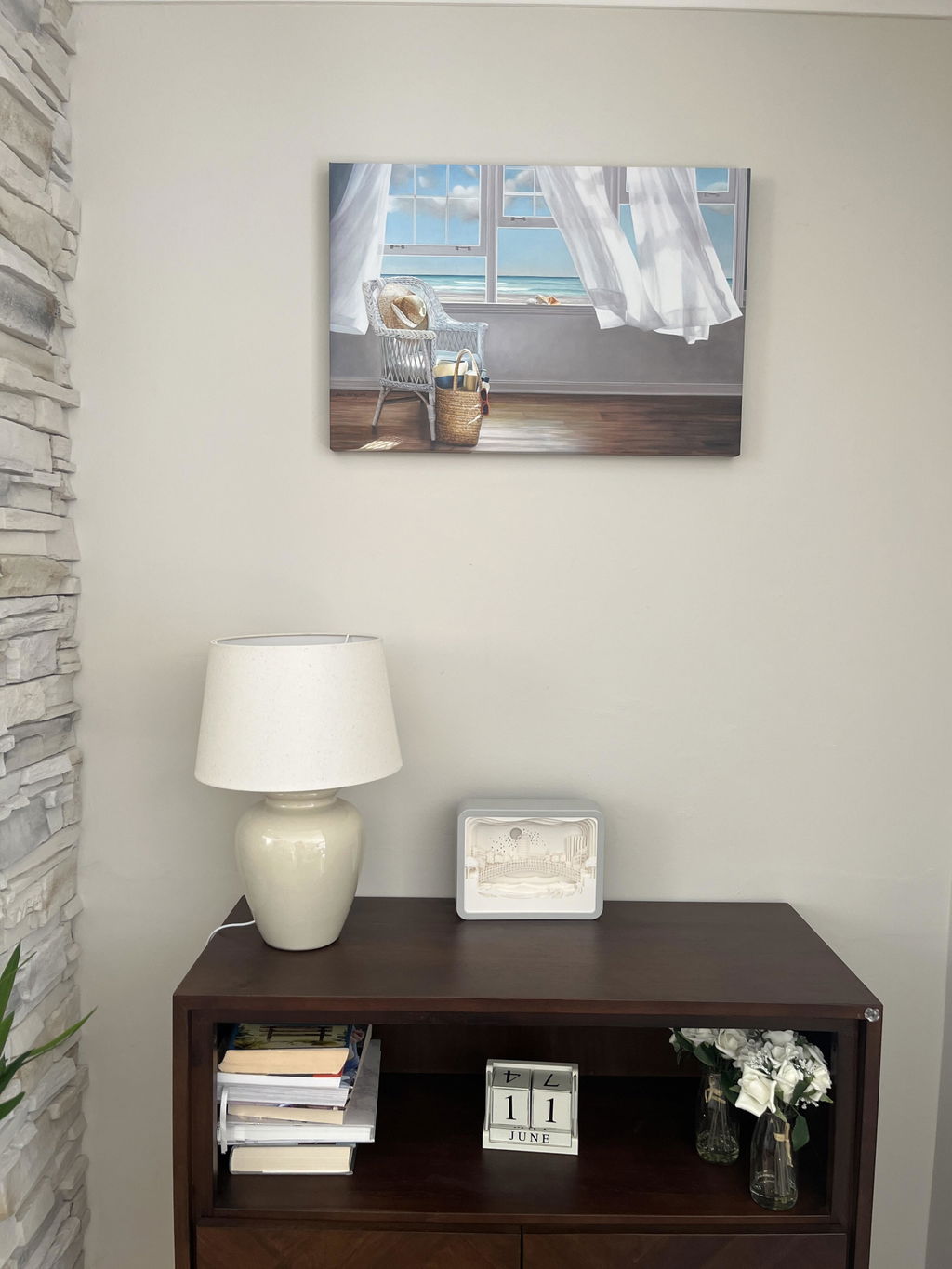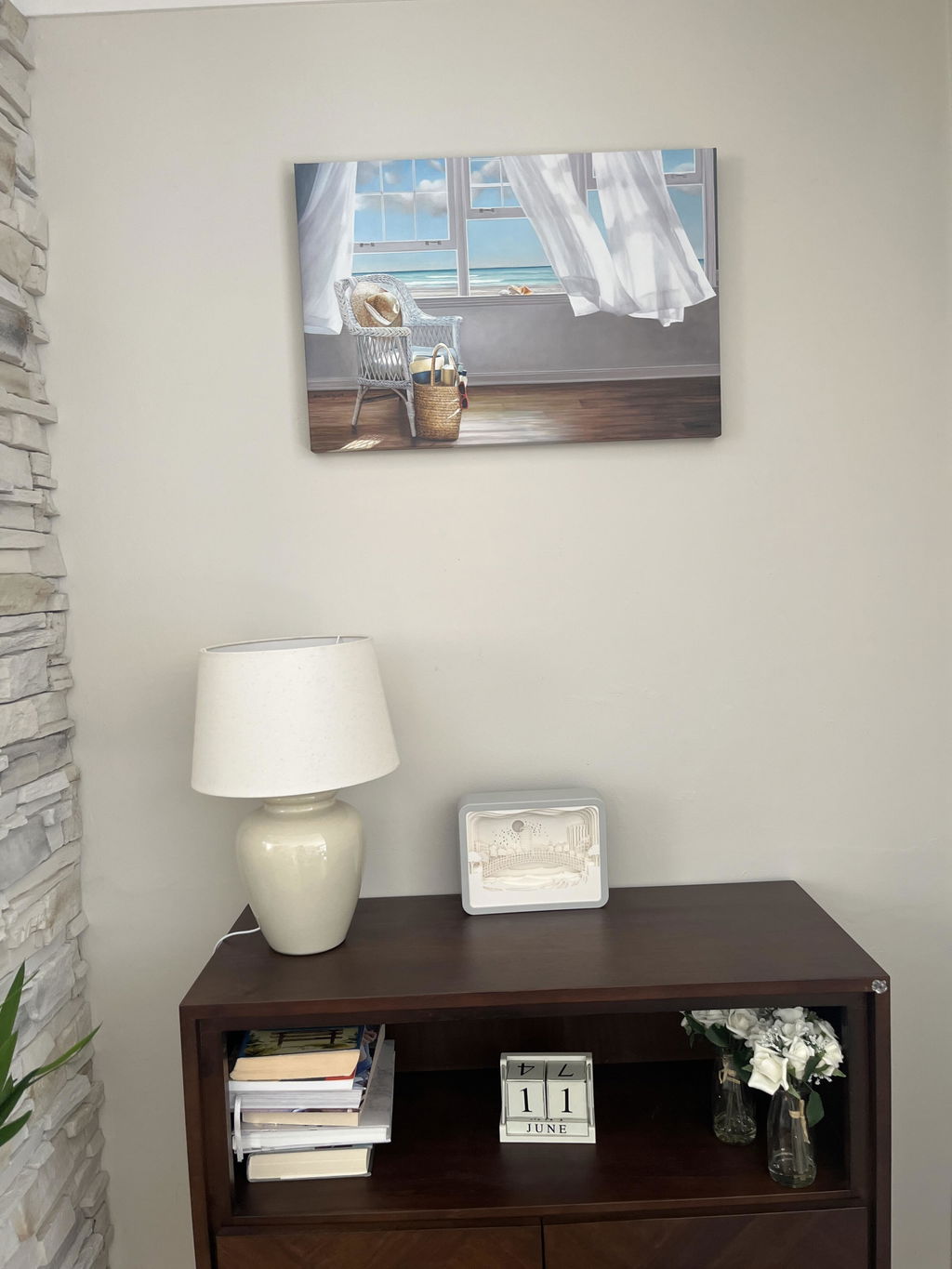

Have you ever stood in front of a beautiful canvas print and wondered whether “museum quality” describes real archival construction, or just a polished label? That question matters, because two prints can look similar on day one and age very differently once light, humidity, and handling enter the picture. The difference lives in the materials, the ink system, and the way the print is built from the start.
Table of Contents
- What Museum Quality Actually Means
- The Materials That Make the Difference
- How Museum Quality Prints Are Made
- Museum Quality Canvas Versus Other Print Types
- Choosing the Right Size and Placement
- Caring for Your Museum Quality Canvas
- Making Smart Purchasing Decisions
What Museum Quality Actually Means
Museum quality is not a protected standard for canvas prints. In practice, it usually points to a chain of archival choices, pigment-based inks, acid-free materials, and heavier media that's built for long-term stability rather than short-lived décor. That's why one print can be engineered to hold up for 100+ years under proper conditions, while another starts fading in just a few years if it's made with dye-based inks and lighter consumer materials. The distinction matters because the phrase alone tells you nothing unless the build specs back it up. See Printano's guide to archival quality prints for a related breakdown.

What to verify before you buy
A real museum-grade claim should name the substrate, the ink system, and the protective finish. Industry guidance points to pigment inks with documented lightfastness, acid-free or archival substrates, and heavyweight media in the 250–330 gsm range for museum-grade output. For canvas specifically, premium builds are often described in the 300–400 GSM range with UV-protective coatings, which is what separates them from ordinary wall art that's made to look good now, not later.
Practical rule: if a product page only says “museum quality” and never mentions ink chemistry, canvas composition, or coating, treat the claim as marketing until proven otherwise.
A technical clue is how sellers describe longevity. Independent guidance commonly associates true museum-grade prints with preserved visual fidelity for 100+ years under proper conditions, and pigment inks are often discussed in the 75–200 years range depending on environment and care. Those are not promises you can assume from a headline. They're outcomes that depend on the full material chain and on where the print lives.
The Materials That Make the Difference
Material science does most of the work in a museum quality canvas print. The look starts with the weave, but the durability comes from what's under the ink and how the surface is prepared. Premium canvases commonly use archival cotton or cotton-polyester blends in the rough 300–400 gsm range, with a heavy, uniform weave that helps the image read cleanly across texture.
Why GSM and thickness matter
GSM, or grams per square meter, is a useful shorthand for body and sturdiness. A higher GSM canvas usually feels more substantial, resists slack better, and gives the printer a more stable base for fine detail. One technical benchmark is Canson Infinity Museum Pro Canvas at 385 gsm and 500 µm thickness, made from 100% cotton, acid-free/OBA-free, with high water resistance and immediate drying characteristics. That combination shows what archival canvas engineering looks like in concrete terms.
Multiple primer coats matter too. They help the ink sit correctly on the surface instead of sinking unevenly into the weave. When the primer is balanced well, color stays more consistent from edge to edge, and fine details don't blur into the fabric pattern.
What acid-free construction changes
Acid-free construction slows the kind of chemical breakdown that can yellow or weaken a print over time. It's not glamorous, but it's one of the clearest signs that a print was built for longevity. In contrast, lower-grade canvas or paper may look fine at first and then lose clarity or shift color much sooner, especially if the display conditions aren't controlled.
The smartest comparison isn't “canvas versus canvas,” it's archival canvas versus decorative canvas.
For readers comparing listings, the most useful questions are simple. What is the canvas made of, is it acid-free, and does the seller specify a coating or lightfastness standard? A product page that answers those directly is usually giving you something real to evaluate, not just a style description. For a practical bridge to wall décor choices, see Printano's canvas wall art guide.
How Museum Quality Prints Are Made
The process matters because every stage affects what you see years later. A museum-grade print usually starts with a properly prepared digital file, then moves through calibrated printing, controlled drying, coating, and careful stretching or framing. Skip one step, and the whole result can lose sharpness or stability.

From file prep to the first pass of ink
Museum-grade reproduction consistently relies on giclée printing with pigment-based inks and a source file resolution of about 300 DPI. That resolution target matters because canvas texture can soften the apparent edge sharpness if the source file is too small or badly compressed. Independent technical guidance also notes that canvas can tolerate lower effective viewing resolution than photo paper, but 200 ppi is the practical floor and 300 ppi remains the safe benchmark for premium results.
The file prep stage is where many quality differences begin. If color is not calibrated properly, the printer can reproduce the wrong temperature, the wrong shadow depth, or the wrong saturation. A good fine art workflow treats the file as part of the artwork, not just a digital upload.
Why drying, coating, and finishing change longevity
After printing, the canvas needs time to cure so the inks settle fully. Then comes the protective coating, which adds UV and scratch resistance and helps the print survive normal handling and light exposure. After that, stretching and framing need to be done with enough tension and alignment to keep the surface flat without distorting the image.
Ask sellers what happens after the print comes off the printer. If they can't explain drying, coating, and finishing, they're skipping the part that protects the artwork.
The practical questions are easy to remember. What ink system do you use, how do you protect the surface, and how do you finish the edges? If a seller can answer those clearly, you're usually dealing with a serious production process rather than a generic wall décor line.
For a related look at surface options, compare the finish logic in Printano's satin photo paper guide.
Museum Quality Canvas Versus Other Print Types
Museum-quality canvas isn't automatically the right answer for every wall. The right choice depends on how much texture you want, how much light the room gets, and whether the piece needs to feel like a statement object or a clean visual fill. A homeowner staging a living room has different needs from someone hanging a temporary print in a rental.
A practical comparison
| Print Type | Expected Lifespan | Color Accuracy | Texture/Feel | Best Use Case |
|---|---|---|---|---|
| Museum Quality Canvas | Long-term archival display when properly made | Strong when pigment inks and calibration are used | Visible woven texture, gallery feel | Feature walls, heirloom gifts, long-term décor |
| Standard Canvas | Varies by materials and inks | Can be good, but often less controlled | Similar texture, usually less archival | Casual home décor, budget-conscious styling |
| Paper Print | Depends on paper and ink system | Often very sharp | Smooth or lightly textured | Framing under glass, detailed imagery, flexible display |
| Poster | Usually shortest among common wall art formats | Often lower | Thin, flat, decorative | Temporary décor, fast room updates |
Canvas earns its place when you want warmth and presence on the wall. Paper prints are better when detail and frame versatility matter more than texture. Posters work when the goal is fast and affordable, not archival longevity.
When canvas is the smarter choice
Canvas is often easier to live with in bright rooms because it doesn't behave like glossy surfaces that catch reflections. It also gives portraits, scenic views, and painterly art a softer presence. That said, if the image depends on ultra-fine detail, a paper-based format can feel crisper.
A useful rule is to match the format to the room problem. If the wall needs depth and a finished art-object feel, canvas is a strong fit. If the room needs maximum sharpness inside a frame, another format may serve you better. For a broader art-selection lens, Printano's museum quality art prints guide is a helpful reference.
Choosing the Right Size and Placement
Size mistakes are more common than material mistakes. Buyers often choose a beautiful print and then discover it overwhelms a wall, feels too small over a sofa, or loses impact because the viewing distance wasn't considered. The print can be archival and still look wrong if the proportions are off.
Start with the wall, not the artwork
Measure the wall space first, then think about orientation. A horizontal print usually suits sofas, beds, and long console tables, while a vertical print can anchor a hallway, stairwell, or narrow niche. Square formats work well when the furniture below is compact or when the wall itself is more balanced than elongated.
A common oversight in art placement is the need for breathing room. Art needs visual margin around it so it doesn't feel trapped against trim, lamps, or shelving. When a piece sits above furniture, leave enough open space that the wall still looks intentional, not crowded.

Make the format work with the room
The best canvas is often the one that solves proportion, orientation, and color match at the same time. A large room can handle a more assertive piece, while a small room may need a cleaner silhouette to avoid visual clutter. Gallery walls can also work, but they need rhythm, not random clustering.
A wall looks curated when the art size matches the furniture scale and the orientation matches the room's flow.
If you want a planning aid, use the room's major line as your guide. Long horizontal furniture wants a horizontal composition. Tall blank walls reward verticality. For grouping and layout ideas, Printano's wall art arrangement guide can help you turn a good print into a better room decision.
Caring for Your Museum Quality Canvas
A museum quality canvas doesn't need fussy treatment, but it does need a little discipline. A client once hung a beautiful canvas above a radiator because the wall looked empty, then wondered why the surface seemed to age unevenly. Heat, dust, and careless cleaning do more damage than one might expect.
Daily habits that protect the print
Keep canvas away from direct sun when you can, and avoid spots with wide temperature swings or damp air. A stable indoor environment is better than a dramatic but risky wall location. If you're moving the print, hold the frame rather than pressing on the surface.
Dust should be removed gently. A dry, soft microfiber cloth or a clean soft brush is safer than wet cleaning, which can leave marks or affect the coating. If you're tempted to use household sprays, don't. Those products are made for furniture, not fine art surfaces.
What to do when something goes wrong
Small accidents happen. A fingertip smudge, a bumped corner, or a storage mishap can turn into a bigger problem if you scrub at it. The safer move is to pause and assess the finish before trying to remove anything.
If the surface looks damaged, stop cleaning and get advice before you make it worse.
Seasonal checks help too. When the weather shifts, look for bowing, loosened corners, or signs that the hanging location is too humid or too dry. If a canvas has been stored, keep it flat and protected from abrasion until it's ready to go back on the wall. The goal is simple, preserve the image, the coating, and the frame as one system.
Making Smart Purchasing Decisions
A good purchase starts with verification, not hope. Museum-quality labels can hide weak materials, vague ink claims, or finishing shortcuts, and buyers often pay more without getting archival performance. The market for premium wall art is growing, with estimates placing the broader wall art and canvas print market at about USD 74.19 billion in 2025 and projecting continued expansion through 2035 in the research brief from Rossetti Art, which is one reason quality claims need closer scrutiny.

What to ask before you click buy
A serious seller should be able to tell you whether the print uses giclée production, pigment inks, and archival canvas or paper. You should also look for coating details, return terms, and whether sample swatches are available before you commit to a large piece. Reviews matter too, but only after the material facts are clear.
If you're buying art for a child's room, a nursery, or a gift, the decision often includes more than one print type. For example, someone who wants a softer keepsake might explore newborn photography packages alongside wall art options, because the display format changes the emotional feel of the room as much as the image itself. That's the right way to shop, by matching the medium to the setting.
Where value really comes from
Price should reflect the build, not just the image. A print made with archival materials, good color management, and careful stretching costs more to produce, so a higher price isn't automatically markup. The core question is whether the seller can explain what you're paying for.
For shoppers who want a one-stop art source, Printano offers framed art prints, canvas prints, and orientation options across a large catalog of artworks, which can help when you need both archival quality and a specific room fit. The platform's product range is worth comparing against the earlier criteria, especially if you're balancing size, finish, and display constraints. Buy the print that solves the wall, not the one that sounds premium.
If you want a canvas print that's built around archival materials, color fidelity, and room fit, Printano gives you a place to compare format, size, and framing without guessing. Visit Printano to explore museum-quality wall art options and choose the print that suits your space.