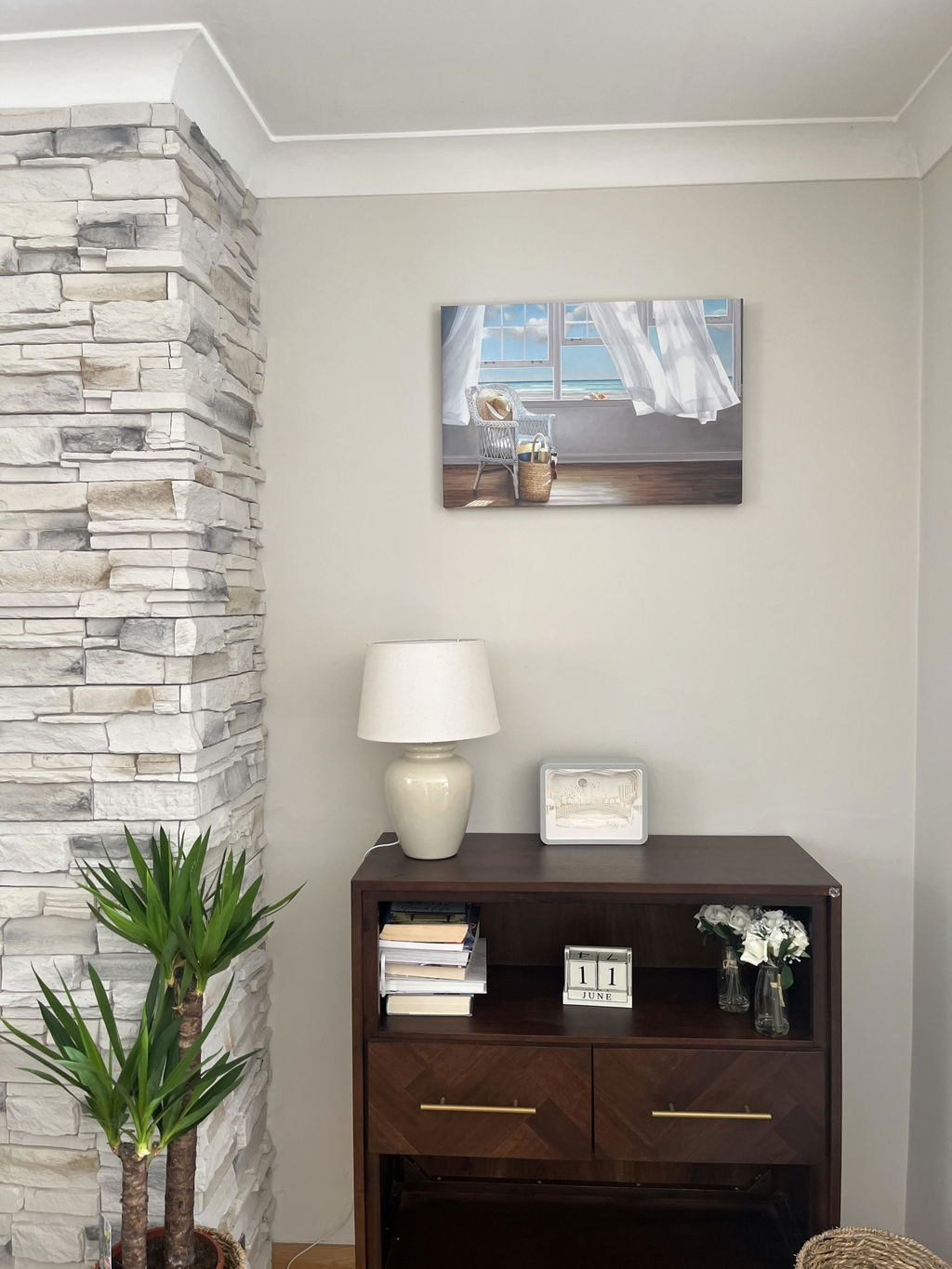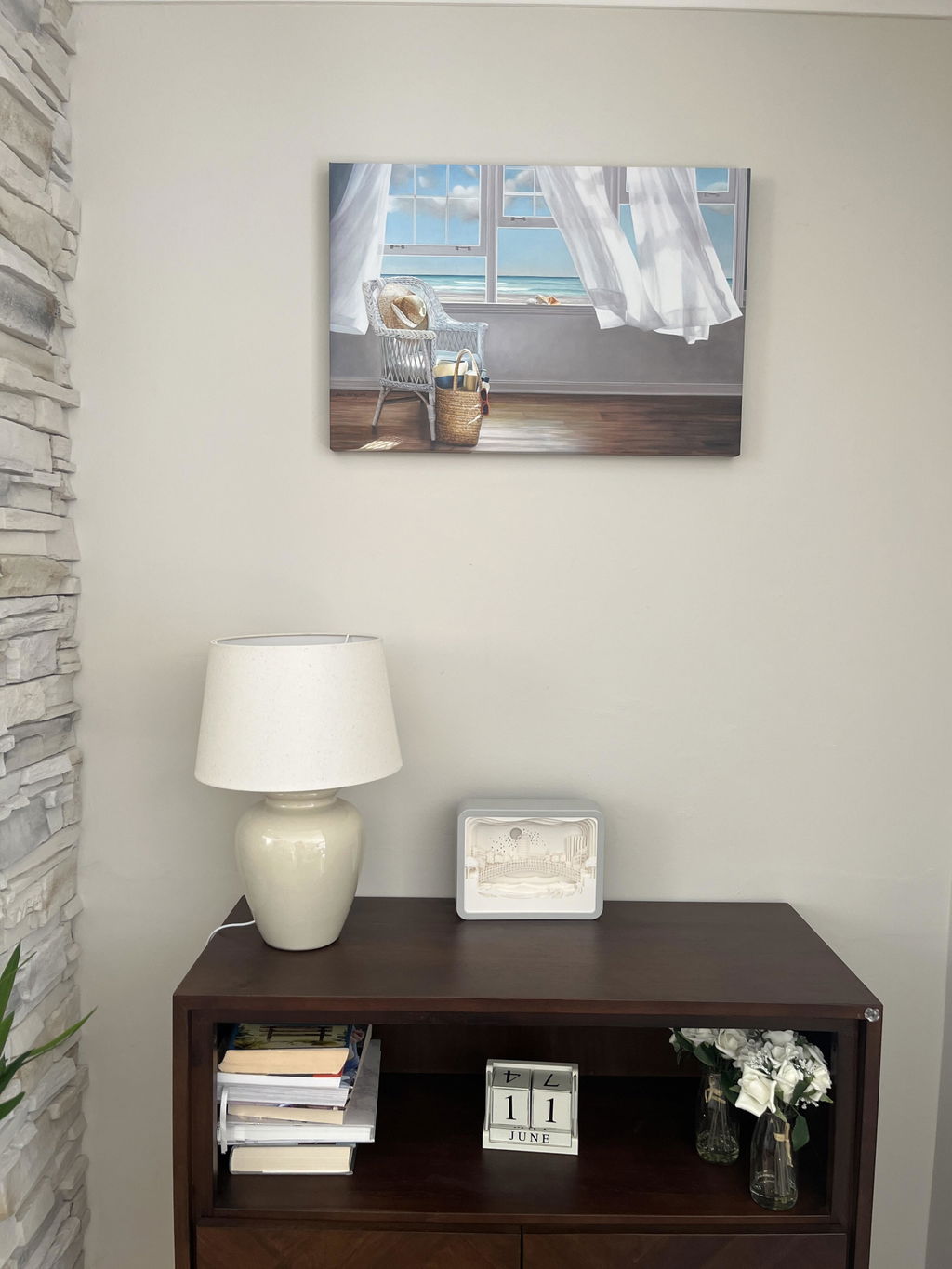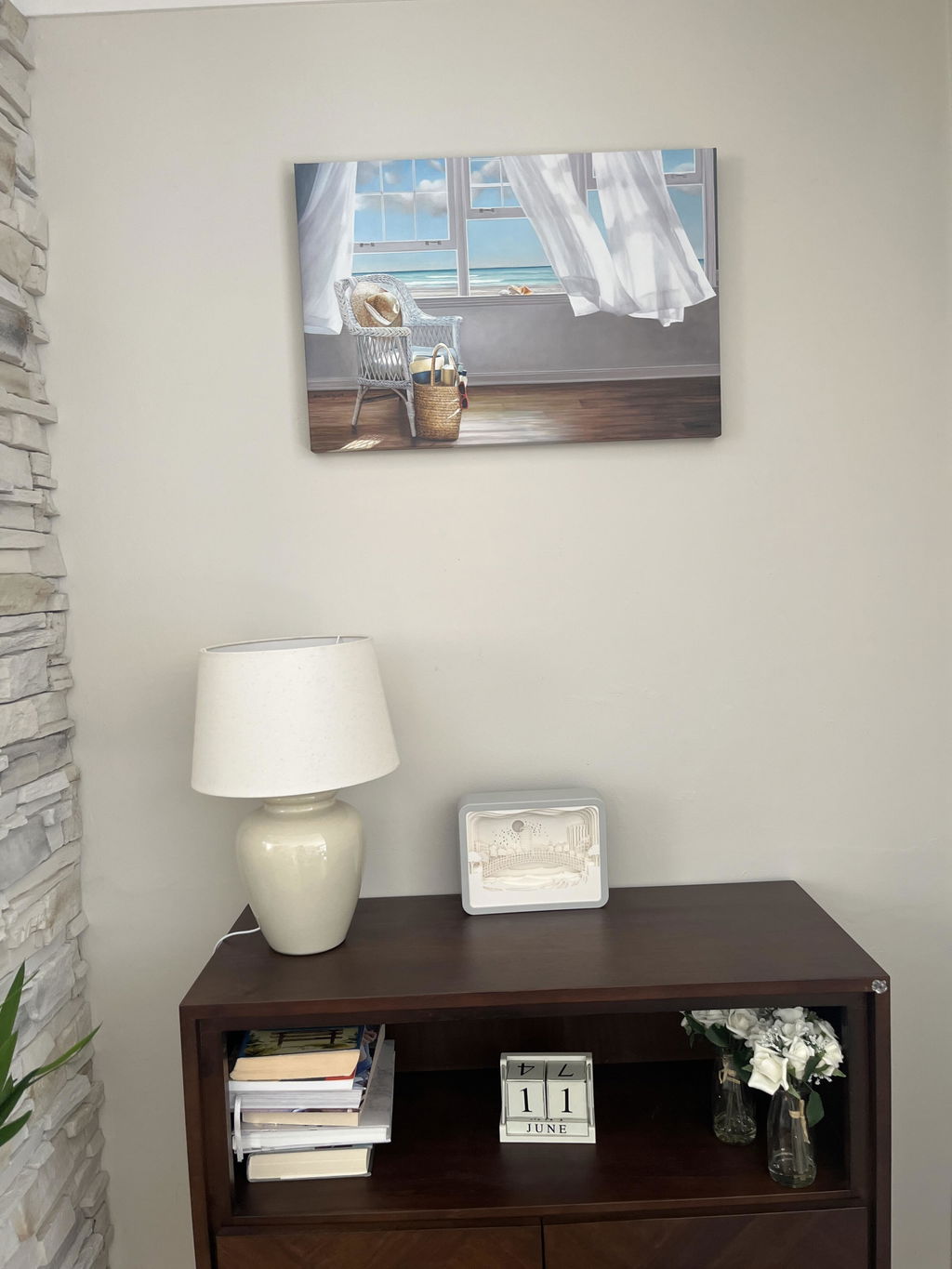

You're probably in a familiar spot. You found a print you love, you can already see it above the sofa or in the hallway, and you want it to feel like part of your home for years, not just a temporary decoration. The problem is that two prints can look almost identical on a screen and arrive with very different futures.
One keeps its color, stays crisp, and still looks elegant long after the room has been repainted twice. The other starts to fade, yellow, or ripple far sooner than you expected. Most buyers don't realize the difference until it's hanging on the wall.
That's why the phrase archival quality prints matters. At its best, it isn't a vague luxury label. It's a practical promise about how a print is made, what it's made from, and whether it has a real chance of lasting.
Design-savvy buyers often know what they like visually. They can spot the right palette, scale, and composition. But longevity is where the language gets slippery. Sellers may mention premium paper, museum quality, fine art finish, or giclée printing without explaining what any of that means for your home, your framing choices, or your budget.
This guide treats archival quality as a whole system. Not just paper. Not just ink. Not just framing. You'll see how those pieces work together, where buyers get misled, and how to judge whether a print is built to last or if its advertised longevity is without foundation.
Table of Contents
- Introduction Why Your Art's Lifespan Matters
- Defining Archival Quality What It Really Means
- The Technical Ingredients of a Lasting Print
- Beyond the Print The Role of Framing and Environment
- Long-Term Care and Storage Best Practices
- How to Confidently Choose a Print Supplier
- Finding Archival Quality at Printano
Introduction Why Your Art's Lifespan Matters
A framed print often starts as an emotional purchase. You respond to the mood of a natural scene, the restraint of an abstract piece, or the way a photograph ties a room together. You're not buying paper alone. You're buying atmosphere, memory, and the feeling that your space is becoming more personal.
That's why disappointment hits hard when a print ages badly. Colors lose depth. Whites turn warm in the wrong way. The surface starts to look tired even though the image itself is still one you love. Many attribute this to light, bad luck, or “just how prints are,” when the actual problem is usually quality choices made much earlier.
A good print should age with dignity. It should still feel intentional after seasons of daylight, routine cleaning, and normal life in a home or studio. That doesn't happen by accident.
Practical rule: If you want art to feel permanent in a room, buy with lifespan in mind at the same time you buy for style.
Collectors have long understood this. Interior designers understand it too, especially when they're specifying work for spaces that need to hold up visually over time. Homeowners are often left out of that conversation, even though the same principles apply whether you're buying one print for a bedroom or planning a full gallery wall.
The useful way to think about archival quality is simple. It means the print was made with materials and methods intended for long-term stability rather than short-term display. It's the difference between art that merely arrives looking good and art that's built to keep looking good.
Defining Archival Quality What It Really Means
The easiest way to understand archival quality is to stop treating it like one magic ingredient. It works more like a good meal. Great ingredients matter, but so does how they're prepared and how they're served. You can ruin excellent produce with poor technique. You can also start with average ingredients and never get an exceptional result.
Archival quality works the same way. A seller might mention one desirable feature, such as cotton paper, and hope that's enough to reassure you. It isn't. A true archival print depends on a complete combination of material choices and production standards.

According to Ning Ma Photo's guide to museum-quality prints, archival-quality prints are defined by materials and processes that meet museum standards for longevity, specifically using acid-free, lignin-free paper and pigment-based inks, which ensure the prints last 50+ years without fading or deteriorating under normal conditions.
The three-part system
Three elements sit at the center of the term:
- Stable paper or canvas. The substrate needs to resist yellowing and structural breakdown.
- Pigment-based inks. These are the inks associated with long-term color stability.
- Professional print production. Resolution, color handling, and print settings affect whether the final result looks refined and remains worth preserving.
If one part is weak, the whole claim weakens with it. That's why “archival paper” alone doesn't automatically mean an archival print.
What longevity means in real life
When you read that a print can last for decades, don't picture it sitting in a dark vault untouched. Think instead of an artwork displayed in a normal interior and made with enough care that it won't quickly lose visual integrity. The point isn't immortality. The point is dependable permanence under sensible conditions.
For many buyers, that turns the purchase into something much more reassuring. You're paying for more than a nicer finish. You're paying for a print with a credible lifespan.
| Feature | Standard Print | Archival Quality Print |
|---|---|---|
| Paper | May use basic wood-pulp paper or unspecified stock | Uses acid-free, lignin-free paper, often fine art grade |
| Ink | May use dye-based or unspecified inks | Uses pigment-based inks |
| Longevity focus | Built for short- to medium-term display | Built for long-term stability |
| Print process | Consumer or general commercial output | Professional fine art production with high-resolution output |
| Aging over time | More prone to fading, yellowing, or deterioration | Designed to maintain color and structure for decades |
| Buyer transparency | Often vague product descriptions | More likely to specify paper, ink, and process details |
Archival quality isn't a finish you add at the end. It's a chain of decisions that starts with the substrate and continues through printing and preservation.
The Technical Ingredients of a Lasting Print
A lot of confusion disappears once you know what to look for in the product description. The technical side sounds intimidating at first, but the essentials are manageable. Most buyers don't need to become printmakers. They just need to recognize the few details that matter.
According to Decorative Light Covers' guide to professional giclée printing, to qualify as archival, prints require a paper substrate of at least 250 gsm, ideally composed of cotton rag or alpha cellulose, and must be printed with pigment-based inks. Images must be printed at a minimum resolution of 300 DPI at final output size, with optimal quality at 1440 DPI to ensure sharpness and color fidelity.
Paper
When a seller says “fine art paper,” you want more than a poetic phrase. You want clues about chemistry and weight.
A strong archival paper is typically acid-free and lignin-free. In plain terms, that means it's less likely to yellow, become brittle, or break down as it ages. Cotton rag and alpha cellulose are the names that come up often because they're associated with stable, high-quality substrates.
Paper weight matters too. A threshold of 250 gsm signals a more substantial sheet that feels closer to artwork than to poster stock. That added heft doesn't just feel better in the hand. It usually supports better presentation, flatter handling, and a more premium finish.
Ink
Many “nice-looking” prints diverge from lasting ones based on a defining characteristic. The critical phrase is pigment-based inks.
Pigment inks are the standard associated with archival output because they're used for long-term stability rather than quick, inexpensive color. If a seller says “high-quality inks” without specifying pigment, that description leaves too much unsaid.
Ask directly if the print uses pigment-based inks. A serious supplier should be able to answer clearly.
If the paper description is detailed but the ink description is vague, treat that as incomplete information, not a reassuring sign.
Printing Process
The word giclée often appears in fine art printing, but it only has meaning when the production standards behind it are real. Resolution is one of the clearest markers.
At minimum, the image should be printed at 300 DPI at final size. That means the file has enough detail for the size you're buying. If a print is enlarged beyond what the file can support, edges soften and textures flatten. You may not notice on a thumbnail online, but you'll notice on the wall.
For buyers who want a broader primer on file quality, finish, and material differences, this resource on understanding wall art print quality is a helpful companion read. It pairs well with practical shopping decisions, especially if you're comparing several print formats.
If you're choosing between framed and unframed art prints, the same quality logic still applies. The lack of a frame doesn't reduce the need for archival paper, pigment inks, and proper print resolution. It means more of the preservation responsibility shifts to how you handle and display the piece afterward.
Beyond the Print The Role of Framing and Environment
A beautifully made print can still fail early if you frame it badly. That's the part many buyers miss. They invest in the artwork, then treat the frame as a decorative accessory instead of a preservation tool.

A useful reality check comes from Fine Art Printing LA's discussion of the expanded notion of archival. It notes that true archival longevity depends on the interplay of paper, pigment inks, and environmental conditions. It also reports that 68% of online art shoppers wrongly assume archival paper alone guarantees a 100-year life, yet prints framed with standard glass can show significant fading in under 30 years.
Why framing changes the outcome
Framing does more than present a print attractively. It controls what touches the artwork, how much light reaches it, and whether moisture and pollutants get easy access.
Poor framing commonly introduces these problems:
- Standard glazing can allow more harmful light exposure than UV-protective options.
- Acidic mats or backing boards can transfer damaging compounds over time.
- Direct contact with glass can create sticking, condensation issues, or surface damage.
- Cheap assembly materials can shorten the life of an otherwise strong print.
That's why conservation-style framing matters. The frame should protect, not merely surround.
What to look for in protective display
When you're evaluating framed art, ask about the build as much as the style. Good archival framing usually includes a few specific choices.
- UV-protective glazing helps reduce light damage.
- Acid-free matting and backing create a safer support structure.
- Spacers or a mat gap keep the print surface from pressing against the glazing.
- Stable placement in the room reduces stress from sunlight, heat, and dampness.
If you're still deciding on a style that works visually with the preservation side, this overview of natural wood frames is useful for thinking through material and aesthetic fit without losing sight of function.
The frame should do two jobs at once. It should look right in the room and quietly protect the print from the room.
Environment matters just as much. A hallway blasted with direct afternoon sun is harder on art than a softly lit living room. Bathrooms, radiators, and poorly insulated exterior walls can also create conditions that work against long-term stability. Buyers often focus on the print surface because it's visible. The more important threats are often the invisible ones around it.
Long-Term Care and Storage Best Practices
Once a print is made and framed properly, care becomes much simpler than people expect. You don't need a museum staff. You need a few consistent habits and a willingness to avoid the obvious sources of damage.
Awildlife's explanation of what makes a print archival notes that under proper display and storage conditions, including stable temperature, controlled humidity, and UV-protective framing, archival prints can last well over 100 years. It also notes that many premium archival media are certified for 100 years of archival stability through rigorous industry testing.

Daily care habits that prevent damage
Most routine care comes down to restraint. Art lasts longer when people fuss over it less aggressively.
- Handle by the edges: If you're touching an unframed print, avoid the image surface. Clean hands are better than rushed handling, and protective gloves are even better for delicate pieces.
- Dust gently: Use a soft, dry cloth on the frame and a careful touch around the glazing. Never spray cleaner directly onto the frame front.
- Keep it out of harsh sun: Bright rooms are fine. Persistent direct sunlight is not.
- Watch room conditions: Kitchens, bathrooms, damp basements, and hot attics are poor choices for valuable prints.
A simple hanging decision can also help preserve the piece. If you're placing work in a larger arrangement, this guide on how to hang wall art can help you choose positions that are both visually balanced and safer for long-term display.
Storage for unframed and rotated pieces
Some buyers rotate their art seasonally. Others buy unframed pieces first and frame them later. In both cases, storage quality matters.
Store prints in a clean, dry, dark place using archival-grade sleeves, folders, or boxes rather than improvised household materials. Keep them flat when possible, or upright with full support if they're large. Don't let corners bear weight, and don't tape wrapping directly onto the artwork.
For readers who manage records, portfolios, or paper-based inventory beyond artwork, this archiving guide for small businesses offers a practical mindset for long-term storage systems. The context is broader than art, but the core discipline of protection, labeling, and environmental consistency carries over well.
A print usually doesn't fail because of one dramatic mistake. It fails because of many ordinary ones repeated over time.
How to Confidently Choose a Print Supplier
Once you know what archival quality involves, shopping gets easier. You stop reacting to polished adjectives and start looking for evidence. The best suppliers make that easy. The weaker ones hide behind language like premium, gallery style, or museum inspired without offering useful detail.
One of the most overlooked buying issues is shipping. According to Ian Moss Creative's guide to archival fine art prints, buyers should ask suppliers if they use manufacturer-grade pigment inks and whether packaging is archival. The same source notes that recent surveys indicate 74% of unframed print returns result from shipping damage attributed to non-acid-free packaging.
Questions worth asking before you buy
A strong supplier should be able to answer practical questions without evasiveness. You don't need to ask all of these every time, but they're useful when quality matters.
- What paper is used: Ask whether it's acid-free and lignin-free, and whether the substrate is cotton rag, alpha cellulose, or another material.
- What inks are used: Ask if the print uses manufacturer-grade pigment inks rather than a vague “premium ink” description.
- How is the work printed: Ask whether the output is high-resolution fine art printing and whether the final process is suitable for archival display.
- How is it packaged: Ask what protects the print before it ever reaches your wall.
Packaging is part of print quality
This is the packaging paradox. A supplier can produce an excellent print, then undermine it with cheap bags, tape contact, weak support boards, or careless tubes. Damage can happen before you even open the parcel.
Watch for signs of thoughtful fulfillment:
- Archival sleeves or bags rather than generic plastic
- Protective backing boards for flat shipments
- Clean separation from adhesive areas so tape never touches the print
- Clear handling discipline for unframed work
If you're comparing retailers, visit the Printano homepage with the same checklist in mind you'd use anywhere else. The key is to evaluate suppliers by transparency, not by branding alone.
A trustworthy supplier doesn't just sell a beautiful image. They preserve it from the printer to your door.
Finding Archival Quality at Printano
When you apply the standards above to a real retailer, the useful question is whether the details line up across product, presentation, and fulfillment. That's where many buyers can separate general decor printing from a more serious fine art approach.

Printano describes its collection in ways that map closely to the criteria informed buyers tend to care about. The catalog highlights museum-quality reproduction standards with attention to sharp detail and color fidelity. Those are the kinds of claims buyers should expect from a supplier focused on lasting presentation rather than disposable wall decor.
The format options also matter. Unframed photo paper prints are offered with a satin finish and are packed in an archival bag, which directly addresses a point many print guides overlook. Premium textured paper prints are presented as the thickest paper weight in the range, which speaks to the tactile and visual cues buyers often associate with fine art output.
For buyers who want to compare finishes directly, the Printano premium print collection is a useful place to see how substrate choices affect the final look. Matte textured papers and smoother photo papers don't just change appearance. They shape how a piece interacts with light, framing, and room style.
Printano also offers framed formats, multiple sizes, and globally fulfilled ordering, which makes it easier for buyers to match artwork to a specific interior plan instead of forcing the room to adapt to a limited standard format. That flexibility won't make a print archival by itself, but it does make it easier to choose work that's worth preserving well.
A good supplier should make durable art feel accessible rather than mysterious. When material quality, packaging care, and presentation standards appear together, buyers can move from hopeful guesswork to informed confidence.
If you're looking for art that balances design appeal with careful production, explore Printano. It's a practical starting point for buyers who want museum-quality presentation, thoughtful format options, and packaging that respects the print before it ever reaches the wall.