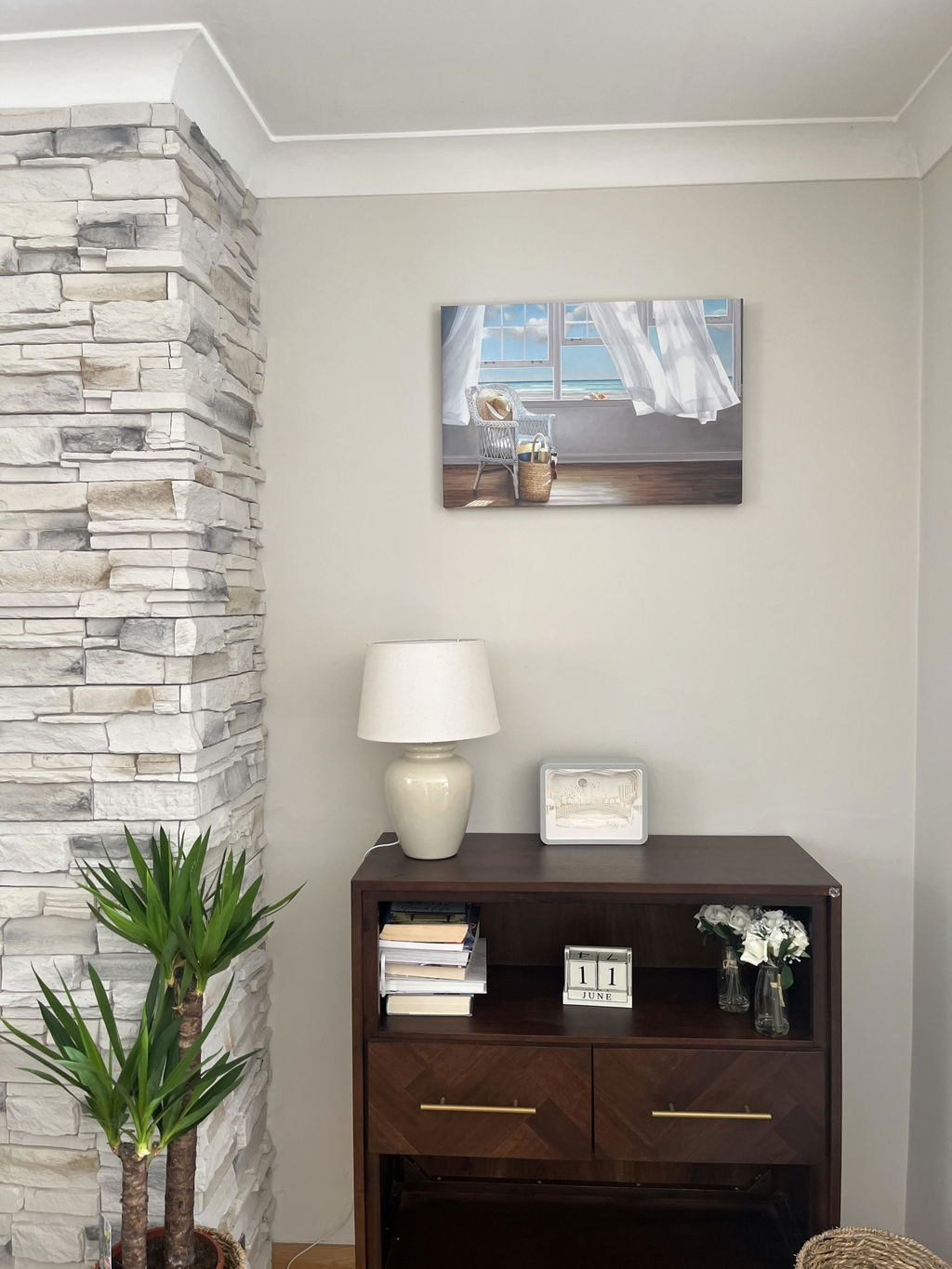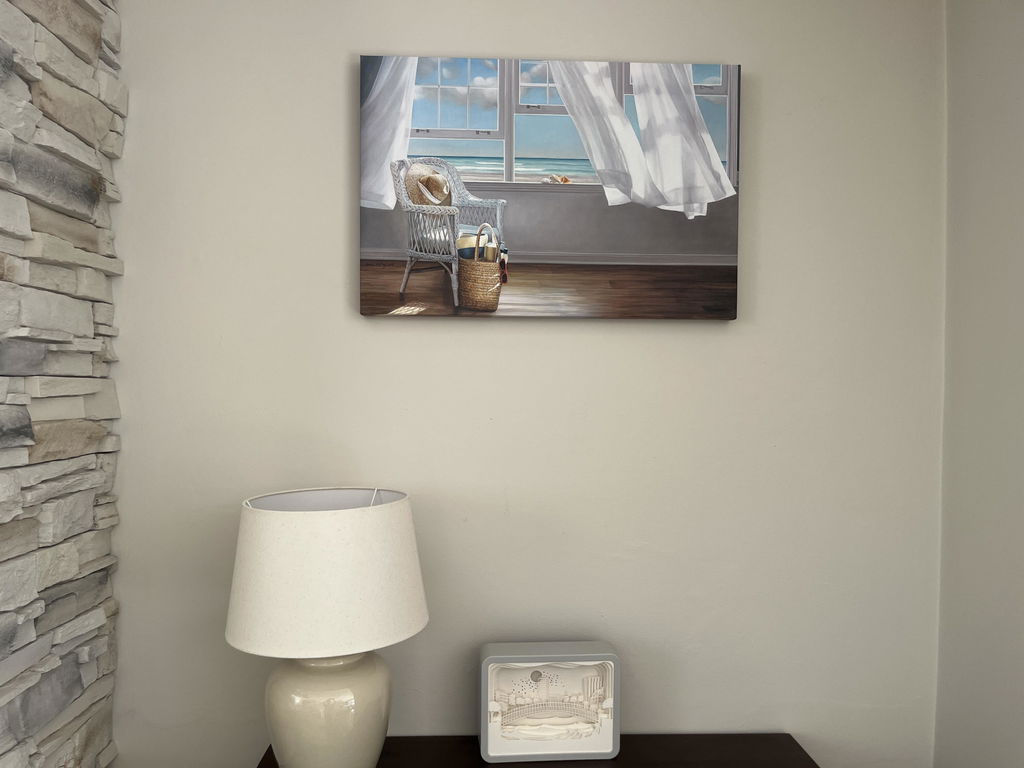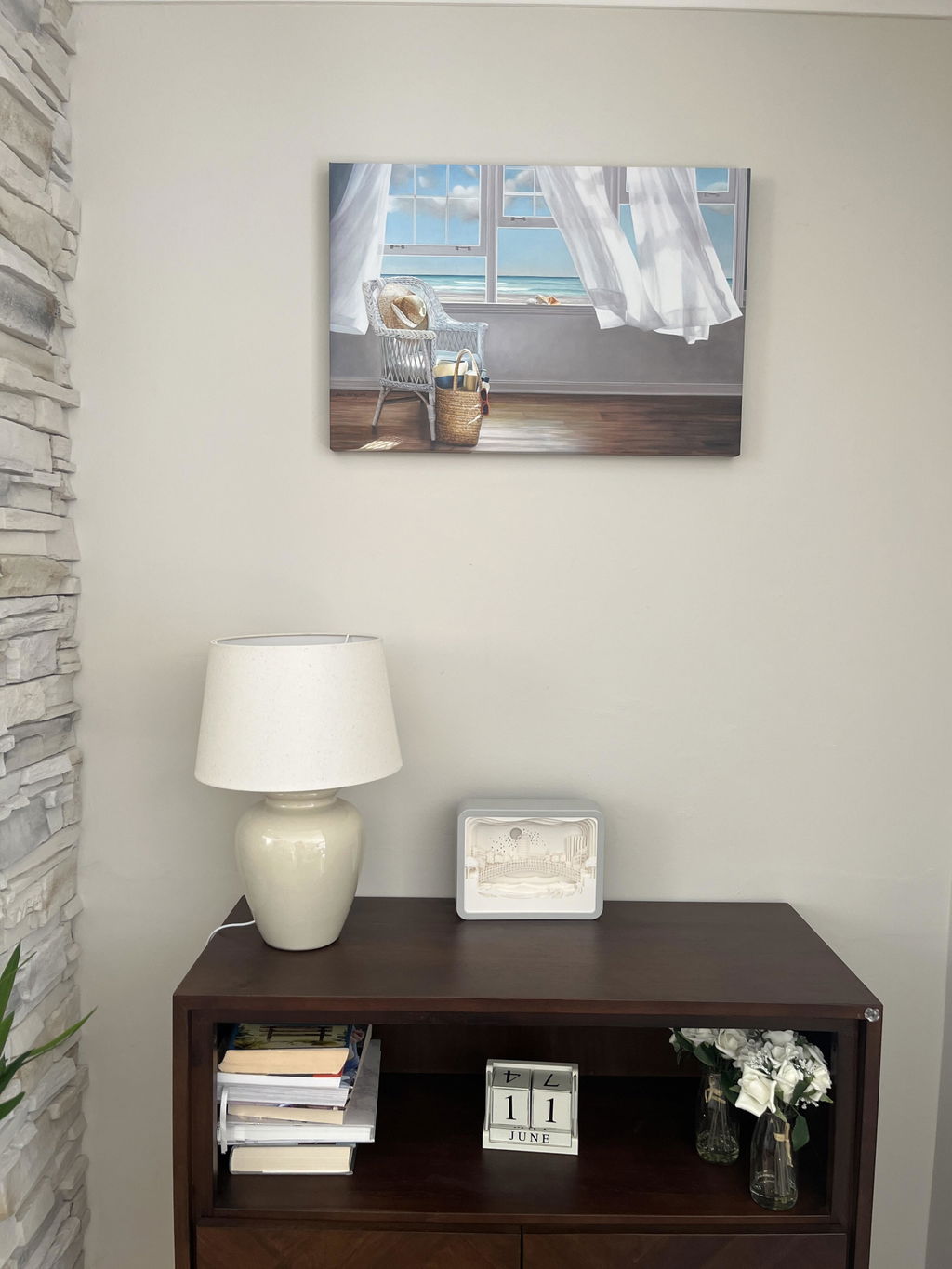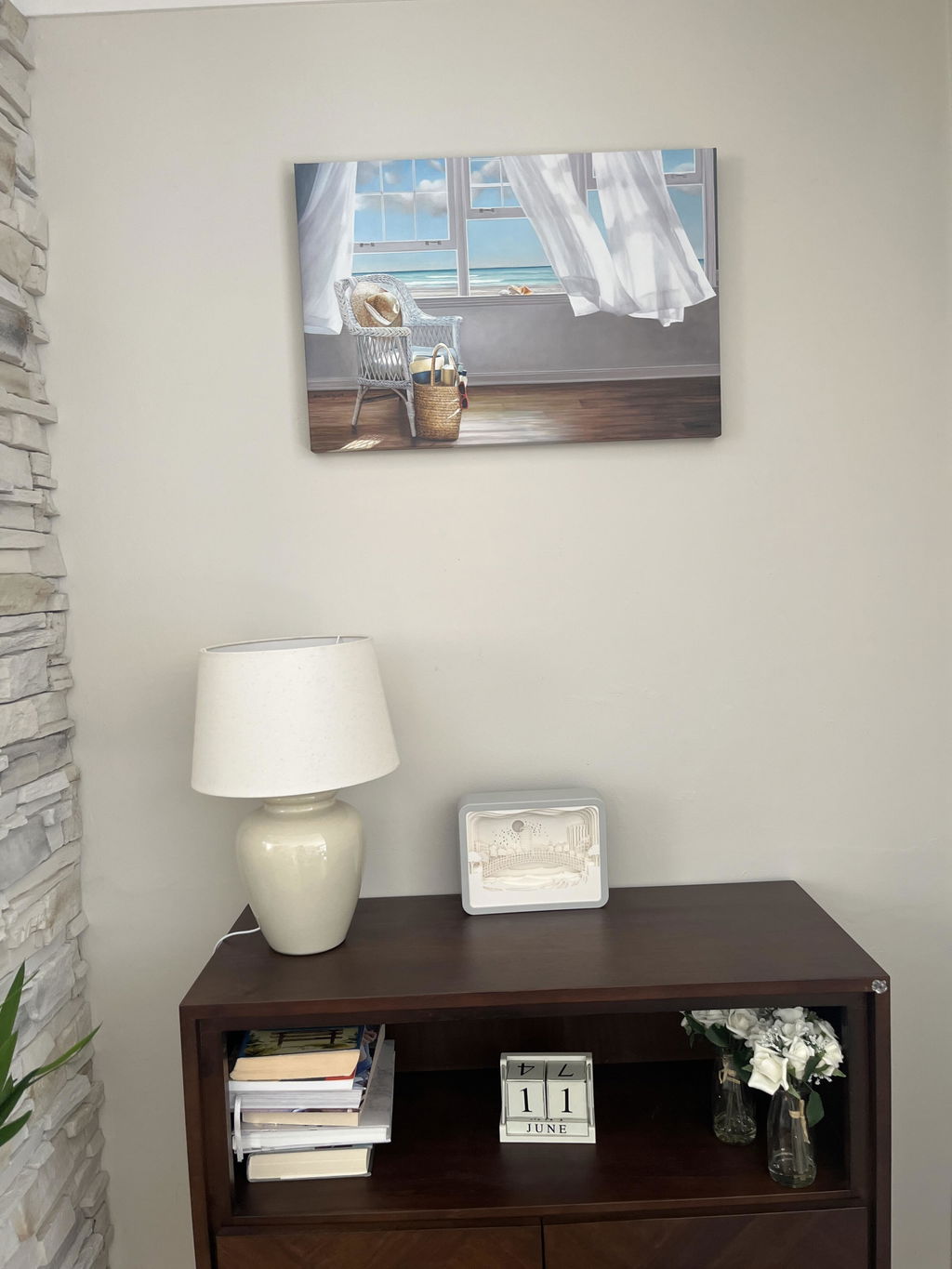

Most custom framing jobs land between $50 and $500+, with a U.S. national average around $199, and online services often charging $55–$115 for 8×10, $80–$250 for 16×20, and $200–$430+ for 24×36. If you've got a print on the table right now and you're trying to decide whether to frame it, those are the numbers to use.
The problem is that most quotes don't look simple once you start comparing them. A frame, mat, glass, and labor all stack together fast, and the same artwork can land near the low end or climb into the premium tier depending on size and finish. If you want a real answer to how much custom framing cost, you need the price band and the logic behind it.
Table of Contents
- What Custom Framing Actually Costs in 2026
- The Four Inputs That Move a Custom Framing Quote
- Custom Framing vs Ready-Made vs Online Framing
- Estimating Your Final Price Using Printano's Framing Options
- Three Sample Quotes From Small to Oversized
- When Custom Framing Is Worth the Premium
- Practical Ways to Lower Your Custom Framing Bill
- Putting It All Together and Final Cost Questions
What Custom Framing Actually Costs in 2026
If you want the short version, budget $50–$500+ for most custom framing jobs. Standard projects often land around $100–$400, while complex pieces can push past $1,000 once the materials, glazing, and labor get serious. That range is normal. You are paying for custom cuts, matting, glass or acrylic, and the hands-on work that turns all of it into one finished piece custom framing cost breakdown, U.S. buyer guide on custom frame cost.
Online price bands make the spread easier to see. 8×10 pieces commonly sit around $55–$115, 16×20 pieces around $80–$250, and 24×36 pieces around $200–$430+. A broad market summary also puts average custom-framing spend around $130–$304, with a reported $199 national average in U.S. consumer data custom framing cost breakdown.
Size is what drives the price up
Small pieces stay manageable because the material list stays short. Once you move up to 24×36 inches, the quote usually climbs because you need more frame stock, more glass or acrylic, more surface area to finish, and more care in handling. That is why a small print can stay near the low end while a larger piece quickly moves into the $200–$430+ band custom framing cost breakdown.

A useful way to read any quote is to treat it as a bundle of choices, not a single number. If you want a second pricing model to compare against, the UK self storage price breakdown shows the same size-based, service-based logic. That is why flat “starting from” numbers miss the point, and why the frame shop total only makes sense once you know what each line item is doing. For a practical sense of which frame styles usually fit different budgets, see this guide to choosing frames for photos.
Practical rule: If a quote sounds high, check the size first. Bigger dimensions usually explain the jump before anything fancy does.
The Four Inputs That Move a Custom Framing Quote
A custom frame quote usually comes from four inputs, and you should read every estimate through that lens. The frame itself matters, but it is only one piece of the total. In practice, material, matting, glass, and labor do the heavy lifting on price U.S. buyer guide on custom frame cost, custom frame cost overview.
Frame material and profile
Frame material often lands around $20–$60 per linear foot, and the profile changes the bill as much as the raw material does custom frame cost overview. A narrow wood profile is cheaper than a wide, hand-finished one, and ornate finishes take more work. If the quote is higher than you expected, this is usually the first place to look.
Matting, glass, and labor
Matting commonly runs $15–$40, while glass or acrylic ranges from $12–$40 for standard to conservation grades in one guide, and another buyer summary places standard or conservation glass and acrylic at $8–$80 U.S. buyer guide on custom frame cost, custom frame cost overview. Labor is its own line item, often around $25–$60 per hour in one pricing guide and $15–$120 as a broader setup range in another U.S. buyer guide on custom frame cost, custom frame cost overview.
That is the part people miss. The labor does not just attach the artwork to the wall, it covers measuring, cutting, fitting, sealing, and finishing. If you are framing a canvas, canvas framing tips are useful because the build changes once the piece is not going behind a traditional glazed frame.
Good quote reading habit: Treat the mat and glass as upgrade points, not afterthoughts. Those two choices can change the final total just as much as the frame style itself.
For photos and standard prints, the fitting logic is different again, which is why choosing the right frames for photos is worth looking at before you assume every print needs the same setup.
Custom Framing vs Ready-Made vs Online Framing
This is the crossover question worth asking before you spend anything. Ready-made frames can cost only $5–$35, while online custom framing usually runs $50–$300 and in-store or custom work often sits closer to $130–$304 or $50–$500+ depending on service level custom framing crossover guide, custom framing cost breakdown.
Where the premium is obvious
For standard sizes, the gap is hard to ignore. If you're framing a common 8×10 or 16×20, a ready-made frame is usually the first thing to price because the difference can be big enough to make custom feel unnecessary custom framing crossover guide. That does not mean custom framing is a bad buy. It means you should pay for it only when the piece needs a better fit, better materials, or a cleaner presentation.
Size is what drives the price up
Oversized, odd-sized, fragile, or valuable work is where custom framing starts making sense. Once the artwork stops fitting standard shelves cleanly, the cheap option becomes less practical and the made-to-order option starts earning its cost. That is the point where you stop paying for convenience and start paying for a frame that fits the piece.
For stretched artwork, unframed art prints can be the smarter starting point if you want to handle the framing separately.

If you only care about getting something on the wall fast, buy the ready-made frame. If you care about fit, longevity, or a weird size, custom framing earns the extra money.
The cleanest rule is simple. For standard decor, compare the full quote against a premade frame. For artwork you plan to keep, protect, or treat as part of the room, compare custom against the cost of living with a compromise.
Estimating Your Final Price Using Printano's Framing Options
If you want to estimate the total before checkout, work from the artwork outward. Start with the piece, then size, then frame finish, then matting, then any glazing or finish upgrades. That's the same logic a good framer uses, and it's the only way to avoid being surprised by the final number.
Build the total in the right order
On a framed print page, the size choice usually does the heaviest lifting because it affects how much frame and surrounding material the order needs. After that, frame finish changes the look and sometimes the price tier. Matting then adds spacing and presentation, but it can also nudge the total up if you choose a more elaborate layout.
If you want a practical product-side reference, Printano offers framed art prints with photo custom size, so the final cost follows the size and presentation choices you make rather than a one-size-fits-all formula. natural wood frames is the kind of framing guide that helps you judge whether the finish you pick matches the piece.
| Choice | Typical Price Impact | Effect on Total |
|---|---|---|
| Smaller size | Lower | Keeps the order near the low end |
| Larger size | Higher | Raises the total because more materials are needed |
| Natural wood frame | Moderate | Usually feels clean and simple without pushing the quote too far |
| Decorative or premium finish | Higher | Increases the presentation cost |
| Matting | Moderate | Adds polish and spacing, but also adds material |
| No matting | Lower | Keeps the build simpler and cheaper |
What to expect before you click checkout
A plain framed print with a restrained finish should stay closer to the low end of the market. Once you add a larger format, a more deliberate frame finish, and matting, the total moves into the middle range fast. That's normal, and it's exactly why a quote calculator matters more than a generic price page.

The only real mistake here is picking options one by one without asking what the whole build is trying to do. If you want a neat living-room print, don't price it like a museum piece. If you want a piece to feel finished right away, don't strip it down so far that it looks underframed.
Three Sample Quotes From Small to Oversized
Numbers stick when they're attached to real orders. A small hallway print, a living-room piece, and an oversized wall anchor all behave differently, even if the design brief stays simple. Size changes the quote shape right away, and the add-ons matter more once the frame gets bigger.
Small 8×10
A basic 8×10 custom job usually stays in the lower bracket because it uses less material. Choose a simple frame, a single mat, and standard glass, and the total can stay close to the online-service range of $55–$115 custom framing cost breakdown. Once you start adding conservation glass or a more premium finish, that same piece can jump fast, because the upgrade cost takes up a much larger share of a small bill.
Mid-size 16×20
A 16×20 print usually lands in the middle of the market, around $80–$250 for online services and often higher in more hands-on custom settings. That size is where buyers tend to overspend on the frame and ignore the mat. Don't do that. A tasteful, simpler finish usually looks better than paying extra for a profile that does too much.
Oversized 24×36
A 24×36 piece belongs in the upper band by default, with online prices commonly around $200–$430+. At this scale, material, handling, and glass choice matter more because every upgrade lands on a larger base. The same finish that feels subtle on a small print can feel expensive on a big one, but it also becomes easier to justify when the piece needs to carry a wall.
Copy this logic: Estimate the base size first, then decide whether the frame finish is doing real visual work. If it isn't, don't pay for it.
That's the clean way to compare quotes. Small jobs are where premium add-ons feel most obvious. Big jobs are where the frame starts acting like part of the room instead of a border around the art. If the artwork itself matters enough that you're thinking about long-term presentation, archival-quality prints is the right next thing to read.
When Custom Framing Is Worth the Premium
Custom framing is worth the extra spend when the frame has to do more than hold a print. Pay for it when the piece is awkward, oversized, valuable, or meant to stay on the wall for years. If it is a temporary poster, a rental wall filler, or a standard print you may replace soon, keep the cost down and put the money somewhere else.
The cases where I'd pay more
Go custom for non-standard dimensions, anything large or oversized, and any piece that needs conservation-grade handling. Originals, signed works, sentimental art, and commercial spaces all justify the higher bill because the frame has to fit the piece and the room, not just cover the wall. If the artwork matters enough that you are thinking about long-term presentation, archival-quality prints is the right place to start.
A custom build also makes sense when the finish has to solve a real problem. Glare, fragile paper, awkward borders, and heavy visual weight are all reasons to spend more. In those cases, the premium is not cosmetic, it is part of how the piece works.
The cases where I wouldn't
Skip the premium on standard decor. A common 8×10 or 11×14 does not need a custom build unless the room design depends on a very specific look. If the art is replaceable, a ready-made frame is the smarter buy because the savings can go toward better art or a better placement on the wall.
Use the same judgment with lower-stakes display pieces. If you are framing something for a short-term setup, a seasonal swap, or a wall that already reads well from across the room, custom framing usually adds cost faster than it adds value. The frame should justify itself visually or protect something worth keeping.
The clean rule is simple. Pay for custom when the frame is preserving, protecting, or improving something you plan to keep. Skip it when the piece fits off the shelf and does not need a special build. For projects where the final bill is still borderline, the framing choices become much easier to compare when you separate frame cost from other presentation decisions, including things like Storage & Removal Boxes Ltd foam edging.
Practical Ways to Lower Your Custom Framing Bill
The cheapest frame quote starts before the shop sees the piece. Strip out anything that does not change the look from normal viewing distance, because every extra material choice becomes part of the final total.

High-impact savings
Choose a standard size whenever the artwork allows it. Custom dimensions usually mean more handling, more setup, and a higher quote. Skip fancy glazing unless glare, UV exposure, or long-term preservation is the reason you are framing at all. Pick a simpler frame profile when the artwork can carry the room on its own, because the frame should support the piece, not compete with it.
If you want a cleaner starting point, use Printano's painting framing guide before you add upgrades that do not change the final look much.
Medium-impact savings
Use one mat instead of multiple mats. Avoid deep decorative builds unless the piece needs depth. Skip backing and finish upgrades that matter more on paper than on the wall. These choices do not change the artwork itself, but they keep the quote from creeping up for cosmetic reasons.
A practical materials reference like foam edging with quantity discounts is useful if you are comparing how protection and presentation choices affect cost across different parts of a project. The same logic applies to framing. Spend on protection where it changes the result, and skip premium add-ons that only sound better on paper.
If you are framing art, how to frame a painting helps you sort out the parts that are worth paying for before you approve the extras.
Best budget move: Keep the presentation clean, then pay only for the pieces that protect the artwork or solve a size problem.
Putting It All Together and Final Cost Questions
A custom framing quote makes sense once you break it into the same six parts every time, the piece itself, the size, the frame finish, the matting, the glass, and the labor or setup built into the order. That is the cleanest way to estimate how much custom framing costs, because the final total is just those line items added together.
The price crossover is simple. If a ready-made frame fits the piece cleanly and the look is good enough for the room, custom framing is hard to justify. If the piece is an odd size, needs better protection, or needs a specific finish to look right, custom framing earns its premium fast. That is the point where a made-to-order frame stops being a luxury and starts being the sensible option.
Local framing and online framing often land in the same general range, but online usually gives you an easier apples-to-apples comparison. Museum glass is only worth paying for if the piece needs glare control, UV protection, or stronger long-term preservation. For anything else, standard glass or a simpler glazing choice is usually the smarter spend.
How long custom framing lasts depends on the materials and the artwork, not on the word “custom” itself. Good framing lasts when the frame, mat, backing, and glazing match the piece and the environment it will live in. If those choices are mismatched, the frame can look fine at first and still fail the job it was supposed to do.
Does Printano count as custom framing? For framed prints with size and finish choices, yes, it sits in that made-to-order framing lane. Use Printano as a benchmark when you want to see how size, finish, and matting change the final total instead of guessing from a vague quote. Compare the framed print options with a ready-made frame, and the decision gets clear quickly.
If you want the short version, pay for the frame details that change the fit, protection, or final look. Skip the extras that only make the quote look bigger. That is how you keep custom framing worth the money.