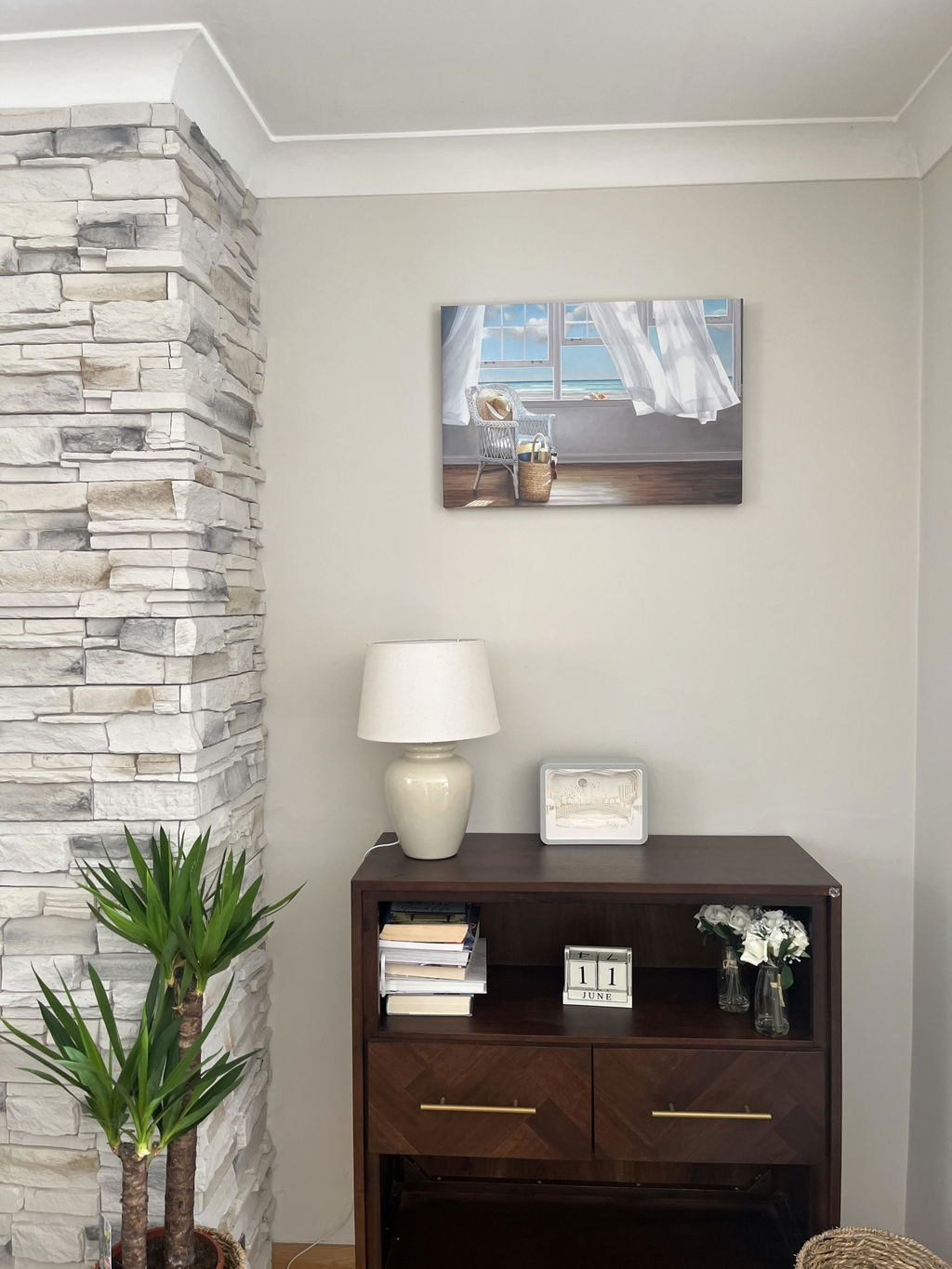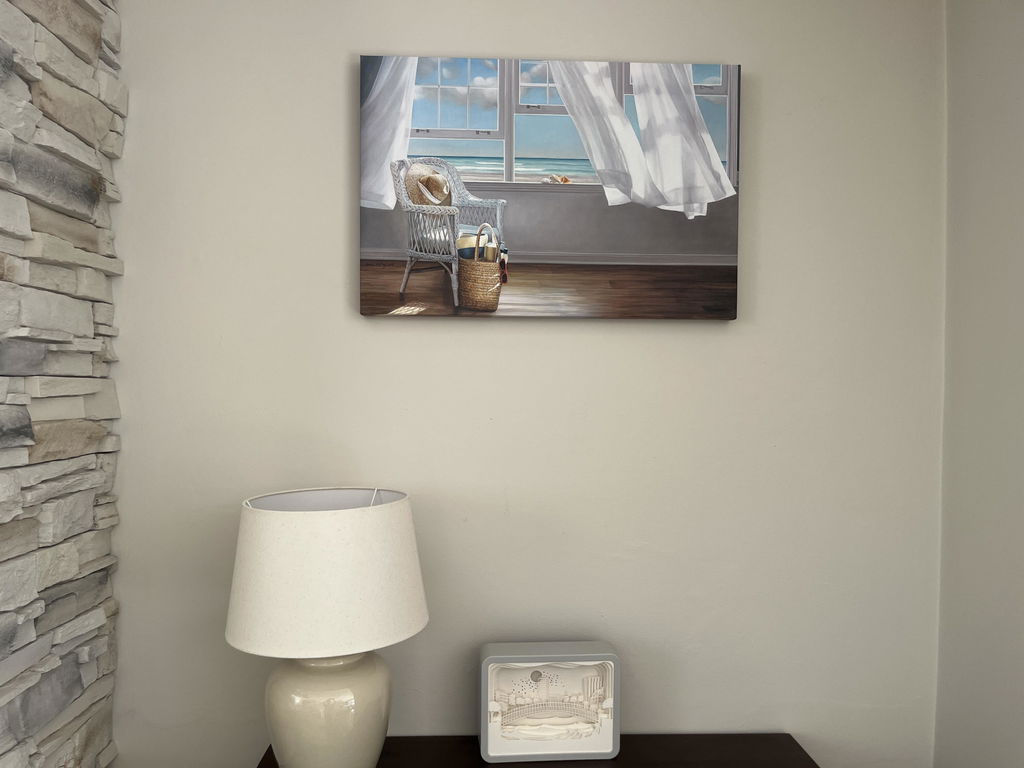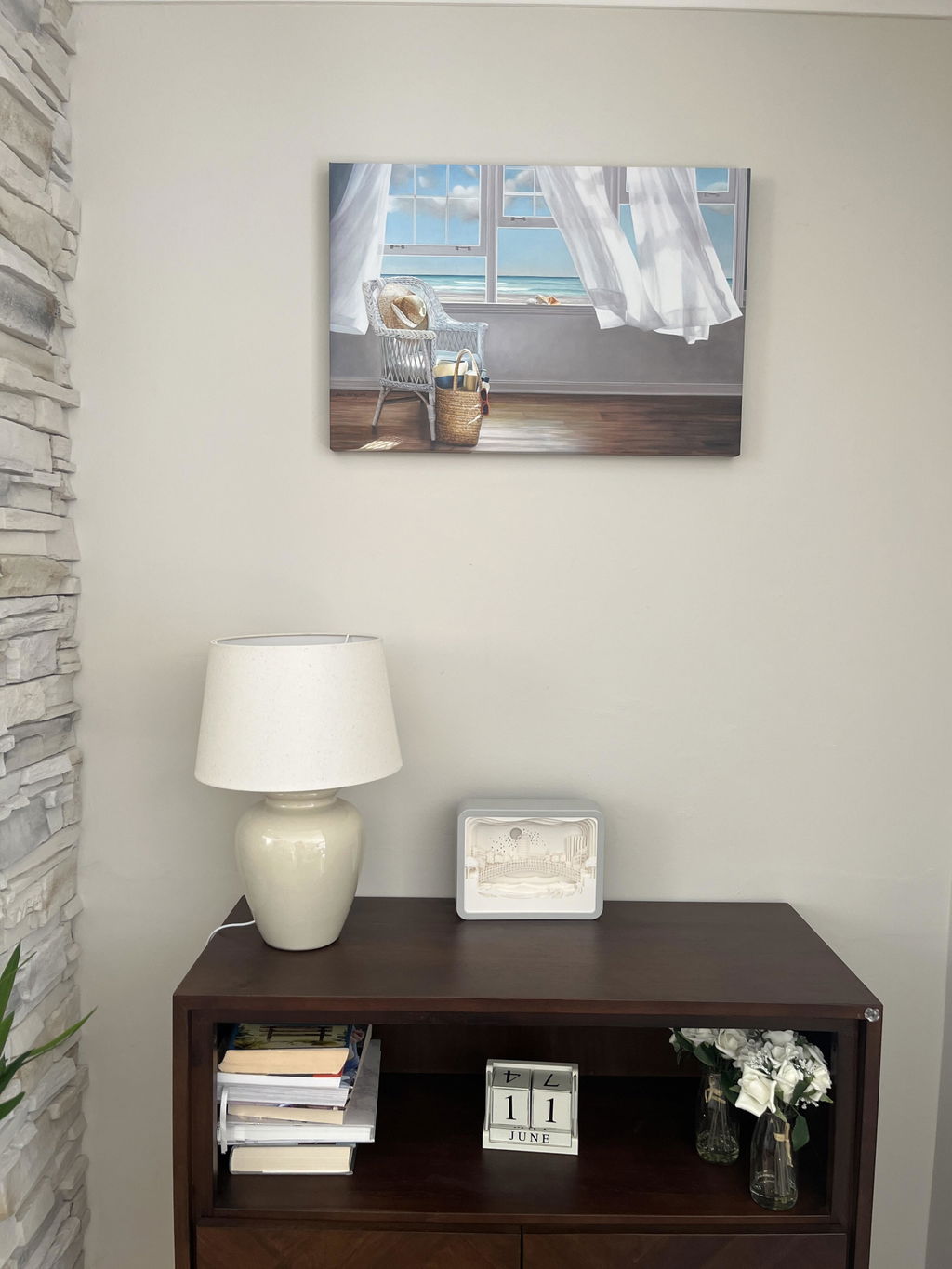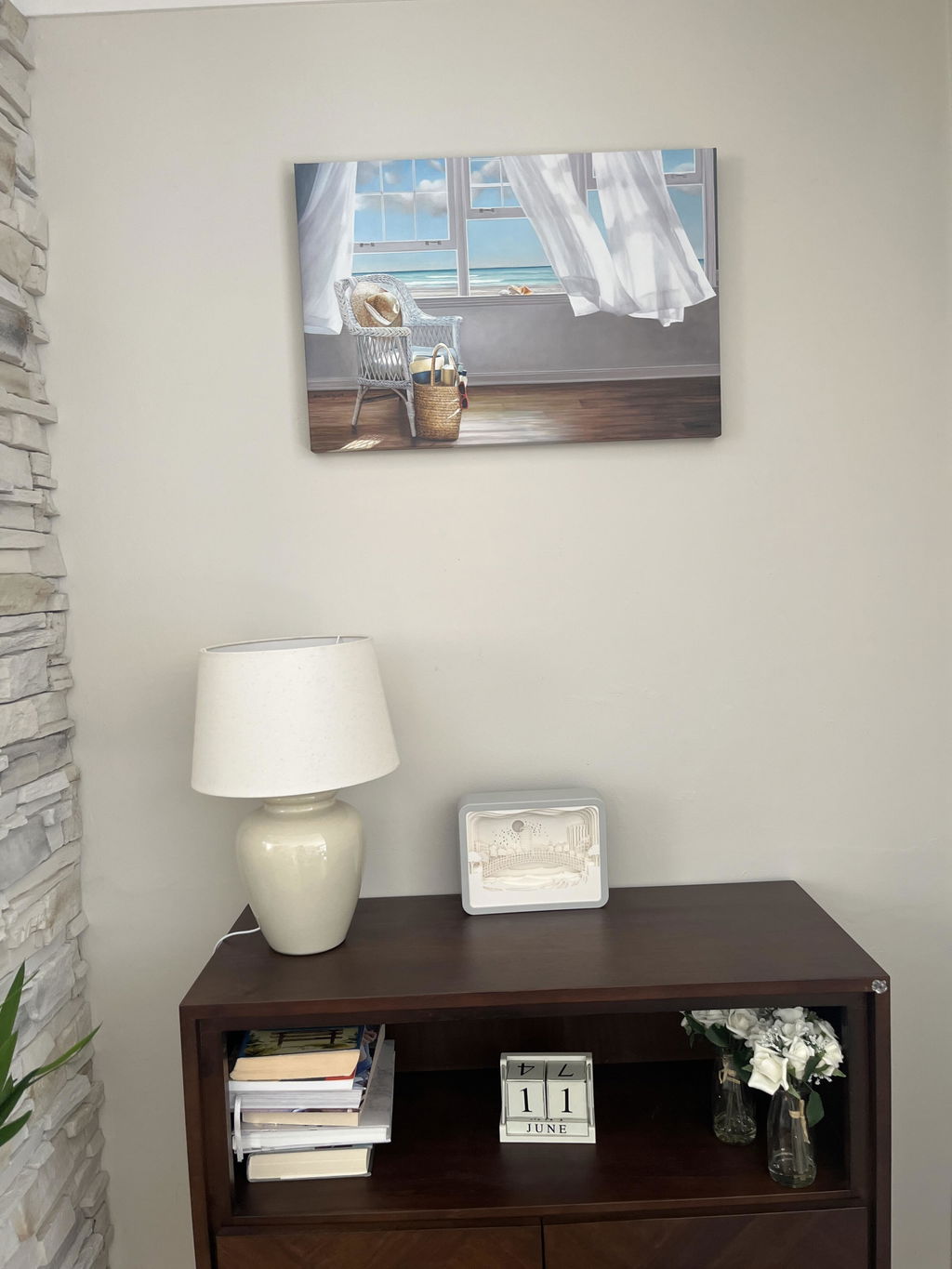

You're probably staring at a wall that feels unfinished. The sofa is in place, the lighting works, the rug grounds the room, but the art decision keeps dragging on. Canvas feels a little too soft. Wood frames are lovely, but maybe not quite right for the cleaner look you want. And if the wall is in a bathroom, kitchen, or busy hallway, you might also be wondering whether your art choice will hold up.
That's where metal frame wall art starts to make a lot of sense. It gives you sharp lines, a precise silhouette, and a more architectural presence than many traditional framing options. Just as important, it solves practical problems that people often discover too late, like moisture exposure, edge damage, awkward weight distribution, and the tension between a frameless modern look and the protection a frame provides.
Table of Contents
- The Modern Appeal of Metal Frame Wall Art
- What Defines Metal Frame Wall Art
- A Guide to Metal Frame Materials and Finishes
- How Metal Frames Compare to Wood and Plastic
- Perfect Placement Your Guide to Sizing and Layout
- Easy Installation and Lasting Care for Your Art
- How to Style and Where to Buy Metal Frame Art
The Modern Appeal of Metal Frame Wall Art
Metal frame wall art feels current because it matches the way many homes are styled now. Rooms lean simpler, lines are cleaner, and people want decor that looks refined without feeling fragile. A slim metal frame does that beautifully. It outlines the artwork without adding visual heaviness, so the art still feels like the star.
It's also not a niche choice. Metal wall art holds a 15% share of the global wall art market, and the broader category is tied to a market projected at nearly USD 25 billion in 2026 according to wall art market analysis from Industry Research. That same source notes metal is the fastest-growing material segment, closely tied to industrial and minimalist interiors.
Why it feels so relevant now
A metal frame works a bit like good tailoring. It adds structure, sharpens the edges, and makes the whole composition feel intentional. In a room with clean cabinetry, stone surfaces, plaster walls, or black fixtures, wood can sometimes feel too rustic and plastic can feel too casual. Metal often lands right in the sweet spot.
If you love calm, edited spaces, this style also pairs naturally with simple and elegant interiors using wall decor in a minimalist approach. The connection is easy to see. Both rely on restraint, proportion, and strong visual lines.
Practical rule: If your room already features metal finishes in lighting, hardware, or furniture legs, metal-framed art usually looks integrated faster than a thick traditional frame.
More than a modern trend
People sometimes assume metal frame wall art is only for lofts or stark contemporary homes. It isn't. A black or brushed metal frame can also bring clarity to softer spaces, especially where you want contrast. Think linen upholstery, warm oak, cream walls, or layered neutral bedding.
That contrast is what makes the format versatile. The frame is slim enough to feel modern, but precise enough to make almost any artwork look more refined.
What Defines Metal Frame Wall Art
Metal frame wall art isn't just “art in a metal frame.” It's a system of parts working together. When readers get confused, it's usually because they picture only the visible border and miss what's happening behind and in front of the print.
A useful way to think about it is like a well-built car. The artwork is the engine. The frame is the chassis. The glazing acts like a protective shield over the front, and the backing keeps everything stable from behind. When those parts are balanced, the finished piece looks crisp and stays that way.

The visible frame
The first thing you notice is the profile. Metal frames are often slim, straight, and visually disciplined. That gives the art a defined border without stealing attention from the image itself.
This is why photography, abstract work, graphic prints, and architectural subjects tend to look especially strong in metal. The frame reinforces clarity. It doesn't blur the edges or add decorative softness.
The front layer and the print
Many framed pieces include a protective front layer such as acrylic or glass. That front layer matters because it protects the artwork from dust, handling, and day-to-day wear. Behind it sits the print itself, which is where color, texture, and subject matter do the emotional work.
If you've ever seen two prints of the same image look completely different on a wall, this is often why. The frame profile, front surface, and overall build all influence how polished the final piece feels.
A good metal-framed piece should look clean from every angle, not just head-on.
The backing and mounting structure
The backing board is easy to overlook, but it's one of the reasons metal frame wall art tends to feel more solid. It supports the print, helps prevent movement inside the frame, and contributes to a flatter, more precise appearance on the wall.
Mounting matters too. Integrated hanging hardware helps the frame sit straighter and look more intentional once installed. That's part of the appeal. You're not only buying an image. You're buying a format that preserves visual order.
Why the whole build matters
If you only focus on color and subject, you can end up with art that feels right in theory but disappointing in person. Metal framing improves the presentation by adding discipline to the edges and stability to the structure.
That's why people often describe metal frame wall art as sleek. What they usually mean is this: the proportions are tighter, the silhouette is neater, and the artwork looks composed rather than casually finished.
A Guide to Metal Frame Materials and Finishes
Not all metal frames feel the same. Two pieces can have similar artwork and completely different personalities because the material and finish change the tone. If you want your art to feel light and refined, or bold and industrial, the material and finish guide that choice.
The first distinction is material. The second is finish. Together, they shape both appearance and practicality.
Aluminum and steel in real-world use
Aluminum is the material many people prefer for modern framed art because it's lighter to handle and naturally resistant to rust. According to Visual Alloy's outdoor metal wall art specifications, high-quality metal wall art often uses rust-resistant aluminum panels around 2 mm thick with a powder coating that helps protect against moisture and UV exposure. That makes aluminum especially appealing for spaces where longevity matters.
Steel has a different personality. It feels more industrial and substantial, which some interiors benefit from. But for many homes, aluminum offers the easier balance of clean looks, easier handling, and better resistance to the conditions that challenge other materials.
Here's a simple way to view it:
| Material | Best for | Look | Practical note |
|---|---|---|---|
| Aluminum | Modern homes, larger pieces, humid rooms | Clean, light, streamlined | Easier to handle and corrosion-resistant |
| Steel | Industrial spaces, darker palettes | Heavier, more rugged | Strong visual weight |
Why powder coating matters
Powder coating sounds technical, but the benefit is straightforward. It creates a sealed finish on the metal. That's important if the frame will live near steam, cooking moisture, or stronger sunlight.
If you've ever looked into preparing your metal roof for paint, you'll already know the broader principle. Metal performs best when its surface is properly protected. Frames aren't roofs, of course, but the lesson carries over. Surface treatment matters if you want metal to keep its finish over time.
Choosing the finish for your room
Finish changes mood fast. The same artwork can look Scandinavian, gallery-like, glamorous, or urban depending on the frame color and sheen.
A few reliable pairings:
- Matte black works well with minimalist rooms, white walls, concrete tones, and monochrome photography.
- Brushed silver feels crisp in industrial interiors, especially with glass, stone, and cooler palettes.
- Soft gold or brass-toned metal can warm up art in bedrooms, dining rooms, and more decorative spaces.
- White metal frames keep the outline present but subtle, which is useful when you want the artwork to blend into pale interiors.
If you're deciding between open-edge modern styling and a more enclosed presentation, it helps to look at how floating frame prints create visual separation around the artwork. That same principle can help you judge whether you want your metal frame to disappear into the background or act as a deliberate accent.
The best finish usually echoes something else already in the room, like a lamp, a faucet, a chair leg, or cabinet hardware.
How Metal Frames Compare to Wood and Plastic
Choosing between metal, wood, and plastic isn't only about style. It's about what kind of visual weight you want, how much maintenance you're comfortable with, and how the frame will behave over time. Each material has a place. The trick is matching the frame to the room, not forcing the room to adapt to the frame.

Side-by-side differences that matter
Metal stands out for precision. Wood brings warmth. Plastic offers convenience. Those are the broad strokes, but the day-to-day experience is where the differences become clearer.
| Frame type | Main strength | Main drawback | Best fit |
|---|---|---|---|
| Metal | Sleek profile and strong edge definition | Can feel cooler if the room needs softness | Modern, industrial, transitional interiors |
| Wood | Warmth and character | More sensitive to environmental changes | Traditional, rustic, layered interiors |
| Plastic | Budget-friendly and lightweight | Often looks less refined | Casual spaces, temporary styling |
Durability and maintenance
Metal frames are attractive to practical decorators because they don't rely on visual bulk to feel sturdy. They stay slim while still offering structure. Wood can age beautifully, but it can also be more sensitive in rooms with fluctuating moisture. Plastic is easy to wipe down, though it often lacks the crispness people want for a polished look.
This becomes especially useful in rooms that work hard. Kitchens, bathrooms, entryways, and family areas demand materials that aren't fussy.
The edge-to-edge question
One of the most overlooked design trade-offs is this. Do you want the immersive look of artwork extending visually to the edges, or do you want the physical protection of a frame?
As noted in a video discussion of framed versus frameless metal prints, frameless metal prints create a floating, edge-to-edge effect, while a slim metal frame adds protection to the artwork's edges. That's a real choice, not just a style detail.
Wood frames often feel more obviously separate from the artwork. Metal can bridge the gap better because the frame profile is usually slimmer and visually quieter. It protects without creating as much interruption.
If you love modern art but worry about exposed corners or edge wear, metal often gives you the best compromise.
A useful design comparison comes from outside interiors. When people look at defining garden beds, they often compare border materials by the same criteria you'd use for frames: clean lines, durability, maintenance, and how visibly the border announces itself. Frame choice works similarly. Sometimes you want the edge to disappear. Sometimes you want it to define.
If you're torn between warmth and precision, it can help to compare this look with natural wood frames. Wood is often more atmospheric. Metal is often more exact.
Perfect Placement Your Guide to Sizing and Layout
A beautiful frame won't rescue poor placement. Most art looks “off” for one of three reasons. It's too small for the wall, it's hung too high, or it's floating without any relationship to the furniture below it.
Metal frame wall art tends to look especially sharp when placement is disciplined. The clean edges make crooked hanging or awkward spacing more noticeable, so getting the layout right matters.

Rules that remove the guesswork
A few simple guidelines make a huge difference:
- Hang near eye level: In most homes, the center of the artwork should sit around typical viewing height. This keeps the piece connected to the people using the room, not floating near the ceiling.
- Use the two-thirds idea: Above a sofa, console, or bed, the artwork should usually span about two-thirds of the furniture width.
- Keep spacing consistent: In a gallery wall, uneven gaps are what make the arrangement feel accidental.
Those rules aren't rigid. They're just reliable starting points.
Layouts that suit metal frames
Because metal frames look orderly, they work especially well in layouts where repetition and spacing matter.
Consider these options:
-
Single statement piece
Best for dining rooms, beds, and narrow walls where one strong artwork can hold attention. -
Symmetrical grid
Great for hallways, offices, or formal living spaces. Metal frames make a grid look crisp because their edges read clearly. -
Diptych or triptych
Two or three related pieces can stretch across a larger wall without the heaviness of one oversized frame. -
Mixed gallery wall
This works too, but keep one thing consistent. Frame finish, image palette, or orientation.
Room-by-room examples
Above a sofa, a wide horizontal metal-framed piece often feels balanced and architectural. In a hallway, a sequence of smaller vertical pieces can create rhythm. In a bathroom, one medium-scale piece often works better than many tiny ones because the cleaner composition suits the frame style.
If you're building a multi-panel arrangement, 3-piece wall art ideas can help you think through spacing and visual balance before you start making holes in the wall.
Don't choose size by guessing from a phone screen. Tape out the art dimensions on the wall first. It's the quickest way to spot sizing mistakes before you commit.
Easy Installation and Lasting Care for Your Art
Metal frame wall art often feels polished once it's up, but many people hesitate before buying because they assume installation will be complicated. It doesn't have to be. You just need the right hardware and a little respect for the frame's weight and rigidity.
This is especially true with larger pieces. Metal frames don't flex the way lighter poster-style formats can, so support matters more.
Hanging it securely
According to Gelato's metal wall art guide, standard metal wall art panels often use two hanging points to distribute weight and reduce tilting, and some pieces can exceed 10 kg. The same guide notes that on drywall without studs, heavy-duty wall anchors or toggle bolts are essential for safe support.
That gives you a clear checklist:
- Use two points when needed: This helps keep the piece level and stable.
- Match hardware to the wall type: Drywall, masonry, and stud-mounted walls need different solutions.
- Check the weight before hanging: Don't assume your usual picture hook is enough.
If you want a room-by-room refresher on hardware and placement basics, this guide on how to hang wall art is a useful companion.
Why humid rooms change the conversation
Bathrooms and kitchens are where metal frame wall art really earns its keep. People often ask whether metal will rust, but that question needs nuance. A poorly protected metal product is not the same thing as a well-finished, corrosion-resistant framed piece.
Powder-coated, rust-resistant aluminum performs very differently from untreated metal. That's why the finish matters so much in humid spaces. It's also why metal-framed art can be a smarter choice than wood in rooms where steam and moisture show up regularly.
Simple care that preserves the finish
Most of the time, care is refreshingly minimal. Use a soft, dry cloth for routine dusting. If the frame picks up kitchen film or bathroom residue, wipe gently and avoid abrasive cleaners that could dull the finish.
A few habits help:
- Keep it out of direct splash zones: Near moisture is fine. In the path of constant water is not.
- Avoid harsh sprays on the frame: Spray the cloth, not the art.
- Check wall stability occasionally: In humid rooms, it's smart to make sure hardware remains tight.
The result is low-stress art. That's a big reason people end up loving metal frames once they live with them.
How to Style and Where to Buy Metal Frame Art
Styling metal frame wall art is less about following rules and more about matching the frame's attitude to the room. Metal frames bring definition, so they tend to look best when they're either echoing another finish in the space or providing a deliberate contrast.
A thin black frame can sharpen a soft neutral bedroom. Brushed silver can reinforce the cool edge of an industrial loft. A warm metallic finish can make a dining room or entry feel more dressed. The frame doesn't need to match every metal in the room, but it should feel like it belongs there.
Easy pairings by interior style
Here are some combinations that work again and again:
- Minimalist rooms: Black or white metal frames with abstract art, line drawings, or muted photography
- Industrial interiors: Brushed silver or dark metal frames with architectural images or graphic prints
- Scandinavian spaces: Slim black frames used sparingly against light woods and soft textiles
- Glam or boutique-style rooms: Gold-toned metal frames with high-contrast photography or elegant figurative work

Buying with fewer regrets
The biggest mistake people make isn't choosing the wrong subject. It's choosing without checking finish, scale, and room context together. Before you buy, compare the frame finish to your nearby hardware, decide whether you want protective framing or a more immersive edge-to-edge look, and confirm the wall can support the piece properly.
If you need a practical refresher before installation day, this expert guide to hanging art covers the basics in a clear way.
When you're shopping, it helps to use a source with broad choice rather than trying to force a single limited collection to work. Printano is a strong option because the catalog includes more than 9,000 artworks from over 1,000 artists, with multiple sizes, orientations, and framed formats available. The site's browsing tools, including color-based filtering, are especially helpful when you're trying to match art to an existing room rather than decorating from scratch.
Museum-quality reproduction standards, sustainably sourced materials, worldwide fulfillment, and free worldwide shipping also make the process feel easier, especially if you're ordering for a finished room and don't want surprises.
Buy the frame the way you'd choose lighting. Treat it as part of the room's finish palette, not as an afterthought around the art.
If you're ready to find a piece that feels polished, durable, and easy to style, explore Printano. You can browse by color, size, orientation, and artist, which makes it much easier to choose metal-framed art that fits your space.